How to Size a Water Heater: The Ultimate Guide For Middlesex County Homeowners

plumber with a blus hat installing a home water heater in Middlesex county.

We often hear from Middlesex County homeowners who are frustrated after running out of hot water right when they need it most. At CSB Plumbing, we’ve sized and installed water heaters in hundreds of Middlesex County homes, and we know that proper sizing makes all the difference in comfort, efficiency, and system longevity.

We know that sizing matters when it comes to hot water tanks in your home, whether you live in a one-bedroom condo in Tewksbury or a large family home in Westford. When a water heater is incorrectly sized, it impacts your comfort and convenience. It can lead to higher long-term costs due to energy inefficiency and premature wear and tear on the system.

The first step is understanding your household’s hot-water needs. From there, we can help you select the properly sized system for your home.

Water Heater Sizing Considerations For Middlesex County Homes

We service homes throughout Middlesex County MA — including communities like Tewksbury, Chelmsford, North Andover, Westford, Wilmington, and Billerica — often have different hot water demands than homes in warmer regions or newer developments.

One of the biggest factors we account for when sizing a water heater in Massachusetts is cold groundwater temperature, incoming water can be significantly colder for much of the year, especially during fall and winter. This means your water heater must work harder to raise the water temperature, increasing demand during peak usage times like morning showers, laundry, and dishwashing.
OG image for this blogpost Water Heater Maintenance Tips For Westford Homeowners.

Household Size and Home Layout Matter

Many of the Middlesex County homes we work in are single-family residences with multiple bathrooms, which can lead to simultaneous hot water use. Older Colonials and split-level homes, common throughout the county, often benefit from slightly larger tank sizes to avoid running out of hot water during high-demand periods.

Based on our experience, here’s a general guideline we use:

  • Smaller condos or apartments may function well with a 40- to 50-gallon tank
  • Average family homes typically need 50 to 75 gallons
  • Larger households or homes with multiple bathrooms may require 75 gallons or more

Age of Plumbing Systems

Another consideration is the age of existing plumbing systems. Older pipes, fixtures, and layouts can affect flow rates and efficiency. In some cases, we recommend choosing a slightly larger capacity unit to improve performance and recovery time.

Seasonal Water Heater Demand

Seasonal changes also play a role. During colder months, hot water demand rises as heating systems, showers, and household appliances require more energy to operate effectively. Many of our customers find that a slight upsizing helps maintain consistent performance year-round.

Professional Water Heater Sizing Makes the Difference

In our experience, professional sizing is often the best way to ensure long-term comfort and efficiency. Choosing the right water heater capacity can help reduce energy costs, extend equipment life, and prevent frustrating hot water shortages.

FAQs: How to Choose the Right Size Water Heater

Q: How large a water heater do I need?

A: The right water heater size depends on your household size, peak usage, and the type of system you choose. When we evaluate your home, we look at all of these factors before making a recommendation. Most homes need between 40 and 80 gallons, but usage patterns and fixtures will determine the exact size you will need.

Q: What size water heater is recommended for a family of four?

A: For a family of four, we typically recommend a 50- to 60-gallon tank or a properly sized tankless system. This will ensure the system is able to handle multiple simultaneous uses, from showers to laundry to dishwashing, without running out of hot water.

Q: What happens if my water heater is too small?

A: An undersized water heater won’t be able to keep up with household demand. Not only will you run out hot water faster, there will be a longer recovery time between uses. Plus, increased energy consumption by a system that has to work overtime to compensate can lead to higher utility bills.

Q: What happens if my water heater is too big?

A: An oversized water heater heats and stores more water than necessary, which then wastes energy and boosts utility costs. Excess capacity can also result in heat loss and inefficient operation, especially if your home has a lower hot-water demand.

Q. What happens when the size is just right?

Proper water heater sizing will give you a steady supply of hot water, better energy efficiency, and reduced wear on components. When correctly sized, a water heater won’t cycle as frequently, which reduces strain. This ensures you get a longer lifespan out of the unit.

Q: Should I choose a tank or tankless water heater?

A: Tank water heaters are sized by gallon capacity, while tankless units are sized by flow rate and temperature rise. Homes with high simultaneous demand would be best off with a tankless system, while homes with moderate usage would do just fine with traditional tanks.

Q: How many gallons does a water heater hold?

A: Most residential tank water heaters hold between 30 and 80 gallons, with 40 to 50 gallons being the most common size for average households.

Q: Do Massachusetts homes need larger water heaters?

A: Yes. That’s because colder incoming water temperatures in Massachusetts can increase hot-water demand. In turn, you will need a larger tank or higher-capacity system to maintain consistent hot water in the winter.
OG image for a blogpost How to Size a Water Heater The Ultimate Guide For Middlesex County Homeowners.

Water Heater Size by Home Type

The right water heater size depends on your home’s layout, number of bathrooms, and daily hot-water use. Check out this general guide to water heater sizes for a typical three-bedroom home in Middlesex County.

Apartments and Condos

Most apartments and condos work well with a 30- to 40-gallon water heater, especially when there is limited simultaneous use. Low-demand households can also benefit from smaller tankless systems.

Ranches and Capes

For ranches and capes containing two to three bedrooms with moderate usage we typically recommend a 40- to 50-gallon water heater.

Colonials and Split-Levels

With multiple bathrooms and higher demand, colonials and split-levels need a 50- to 60-gallon water heater to support higher hot-water needs.

Large Family Homes

Homes with three or more bathrooms or heavy use will need a 60- to 80-gallon water heater or a high-capacity tankless water heater.

Top 3 Most Common Water Heater Sizing Mistakes

Choosing the wrong water heater size can lead to reduced comfort and higher energy costs. Here are the three most common sizing mistakes we see Massachusetts homeowners make:

Letting price dictate the choice:

You may assume you’re saving money now by buying a smaller tank, but due to insufficient capacity, you may experience frequent hot-water shortages and higher operating costs later on.

Ignoring peak demand factors:

Failing to consider simultaneous use (showers, laundry, dishwashers) will result in a system that can’t keep up during peak usage, when you need it most. You can estimate your peak-hour demand by determining when you use the most hot water in your home. Then, take a look at this EPA worksheet to estimate your max usage of hot water during this one-hour period. We can also help you with this calculation.

Failing to consider future household growth:

If you choose a water heater sized for your household and current use, and then your family grows in the coming years, you will be left with a system that is not equipped for the increase in water usage. We always recommend planning for future household growth so your system can keep up for years to come.

When Should You Upsize Your Water Heater?

You may consider upsizing your water heater when improving comfort and performance becomes a priority. An upgrade may be imminent if you experience:

Frequent Hot Water Shortages: This means your existing system is probably too small.

Multiple Appliances Running at Once: Homes with overlapping hot-water use require greater capacity or a higher-output system.

Home Additions or Renovations: If you plan to add bathrooms, finish a basement, or upgrade your appliances, you will need a larger water heater to handle increased demand.
OG image for this blogpost Tank vs. Tankless Water Heaters for Chelmsford Homes.

How to Size a Water Heater

It’s always best to consult the professionals at CSB Plumbing before choosing a water heater for your Middlesex County home. When we work with homeowners, we also help them understand how much hot water their household uses during peak times.

This will be the first step in determining the correct size. We help you choose a system that’s large enough to meet demand — but not so large that you waste energy.

1. Household Size and Usage: How many people are living in the home will dictate how large of a system will be needed. Typically, bigger households need more hot water and thus need a larger system, especially to handle demand during morning and evening peak hours.

2. Number of Bathrooms: If your home has multiple bathrooms, we’ll likely recommend a larger water heater to handle simultaneous showers and hot-water use without running out.

3. Peak Hot-Water Demand: Homes with overlapping usage (showers, laundry, dishwashing) require higher capacity or faster recovery times.

4. Home Layout and Fixtures: Multiple bathrooms, luxury showers, or high-flow fixtures boost demand and require an upsize.

5. Efficiency and Climate: Energy-efficient models tend to recover faster. In winter, colder incoming water temperatures will increase sizing needs.

Is Professional Water Heater Sizing Necessary?

The short answer is yes. As licensed plumbers serving Tewksbury and surrounding communities, we precisely match your system to your home’s needs. We will take into account factors like usage patterns, fixture demand, family size, and home layout in order to recommend the most efficient option.

When you work with us, we will:

  • Ensure consistent hot water, improved comfort, and fewer performance issues with the right size water heater.
  • Reduce system strain, lower energy bills, and extend equipment life by matching you with the proper capacity.
  • Ensure your water heater meets local building codes, venting requirements, and safety standards.

Call CSB Plumbing For Accurate Water Heater Sizing

If you’re looking to install a new water heater in your Middlesex County home but aren’t sure which size you need, contact us today for expert guidance on a properly sized water heater system. We help homeowners in Tewksbury, Chelmsford, North Andover, Westford, and surrounding communities select and install the right-sized water heater for the ultimate in comfort, energy efficiency, and convenience.

Water Heater Maintenance Tips For Westford Homeowners

a technician checking the Water Heater Maintenance.

At CSB Plumbing, we know how important reliable hot water is for Westford homeowners — especially during frigid New England winters. When temperatures drop, your water heater works overtime to keep up with colder groundwater and increased household demand. Over time, seasonal temperature swings, mineral buildup from hard water, and daily usage can strain your system, reduce efficiency, and shorten its lifespan.

That’s why we strongly recommend routine water heater maintenance. Staying proactive helps prevent unexpected breakdowns, improves performance, and ensures your family has hot water when you need it most.

In the article, we’ll walk you through essential water heater maintenance tips and explain when it’s time to call us


Why is Water Heater Maintenance Important For Westford Homes?

We’ve seen firsthand how regular maintenance prevents small issues from turning into costly repairs. When we perform routine maintenance, it helps:

  • Prevent unexpected breakdowns during cold months
  • Extend your unit’s lifespan
  • Improve energy efficiency
  • Reduce long-term repair and replacement costs

By keeping up with routine maintenance, Westford homeowners can protect their investment, keep a consistent level of hot water for the household, and avoid the need for disruptive emergency repairs.

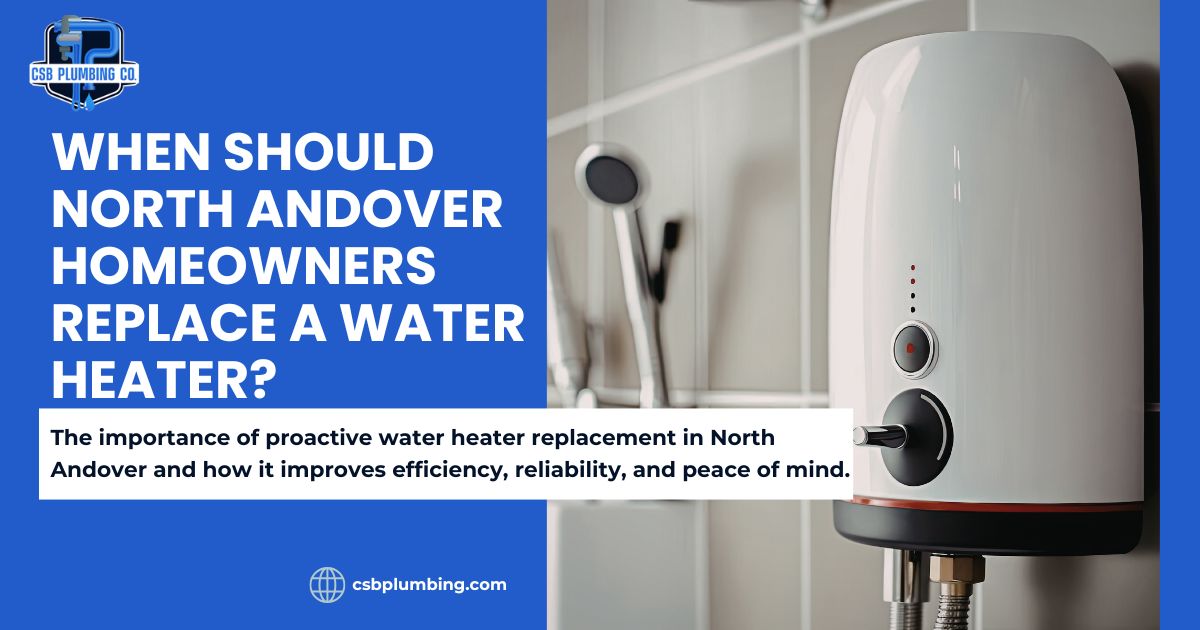
Promotional image of a blogpost When Should North Andover Homeowners Replace a Water Heater.

Top Water Heater Maintenance Tasks Westford Homeowners Should Know

Here are the top five maintenance tasks we recommend Westford homeowners stay on top of:

  1. Flush the tank: We recommend flushing the tank annually to remove mineral sediment buildup. This will remove mineral sediment buildup at the bottom of the tank that could otherwise compromise efficiency and cause alarming noises. If ignored, that buildup can cause overheating, corrosion, and premature failure.
  2. Check the anode rod: We inspect the anode rod during routine service to ensure it’s still protecting the tank from corrosion. This component is designed to protect the inside of the tank from rust. Every now and then, it needs to be replaced to keep corrosion at bay.
  3. Check the temperature and pressure relief (T&P) valve: During maintenance visits, we test the temperature and pressure relief (T&P) valve to confirm it’s functioning properly. This valve is a critical safety component that releases built-up pressure, preventing potentially dangerous conditions.
  4. Verify thermostat settings: We typically recommend setting the thermostat to around 120°F. This will prevent scalding at the tap, reduce energy consumption, and increase efficiency of the unit overall.
  5. Inspect connections and valves: We also check water lines, shut-off valves, and fittings for signs of leaks or corrosion.

As you can see, routine service plays a critical role in protecting your system and extending its lifespan.


How Often Should You Schedule Water Heater Maintenance?

OK, so now that you know how important regular maintenance is, you may wonder: how often should this take place? In most cases, we recommend scheduling professional water heater maintenance once per year.

You may need more frequent service if:

  • Your water heat is old and approaching end of life: Older units experience more wear and sediment buildup.
  • Your home has hard water: This can lead to mineral accumulation inside the tank or components, detracting from efficiency and shortening the system’s lifespan.
  • You have a high-usage household: Large families or homes with frequent hot water demands can strain the water heater.

Your plumber in Westford can recommend the best schedule for water heater maintenance based on the above factors.


5 Signs Your Water Heater May Need Maintenance or Repair

In our experience, water heaters often show warning signs before they fail completely. Here are the most common warning signs we see in Westford homes:

  1. Inconsistent or insufficient hot water: If your water temperature fluctuates unpredictably or your hot water runs out sooner than usual, your water heater may be struggling to keep up due to sediment buildup, a broken heating element, or failing thermostat.
  2. Discolored or rusty water: Brown, reddish, or cloudy hot water either means corrosion is happening inside the tank or you have a deteriorating anode rod.
  3. Unusual noises such as popping or rumbling: Loud noises typically originate from air bubbles emerging from hardened sediment at the bottom of the tank.
  4. Water pooling around the unit: Water at the base of the unit often signals a loose connection, faulty valve, or tank corrosion.
  5. Higher energy bills: Inefficient water heaters have to work harder to keep up with demand, which in turn spikes energy bills. If your bills are higher than normal with no other detectable cause, you may need maintenance or repairs.

When we address these signs early, we can often prevent major repairs or premature replacement.


When to Call CSB Plumbing For Water Heater Maintenance

While performing basic checks on your own is helpful, certain situations require professional attention in order to ensure safety and prevent costly damage.

We recommend calling us if:

  • Your water heater is older than 10 years: With age, internal components wear down, resulting in a higher risk for leaks or failure.
  • You have experienced repeated issues or repairs: Ongoing problems such as inconsistent hot water or recurring leaks are due to a deeper issue that needs professional inspection.
  • You have safety concerns with a gas or electrical unit: Never service gas lines, venting systems, and electrical components on your own, as they increase fire, gas, or electrical hazards.

With regular professional service, we can help ensure your water heater operates safely, efficiently, and reliably year-round.

OG image for this blogpost Tank vs. Tankless Water Heaters for Chelmsford Homes.

FAQs: Water Heater Maintenance For Westford Homeowners

Q: What is the typical lifespan of a water heater? A: In our experience, most tank water heaters last between eight and 12 years, while tankless systems can last 15 to 20 years.

Q: Does regular water heater maintenance really save money? A: Yes. We’ve seen routine maintenance significantly improve efficiency, extend unit life, and prevent costly emergency repairs.

Q: Is water heater maintenance required to keep warranties valid? A: Many manufacturers require regular maintenance to maintain warranty coverage. We always advise homeowners to keep documentation of service visits.

Q: When should I consider replacing instead of maintaining my water heater? A: If we determine your unit is nearing the end of its lifespan or experiencing repeated issues, we may recommend replacement instead of continued repairs.


Get a Free Estimate on Water Heater Maintenance From CSB Today

If you’re unsure about the condition of your water heater or want to stay on top of potential issues, we are here to help. Schedule professional water heater maintenance or call us at (978) 690-7090 today, and we’ll make sure your system is ready to handle New England’s toughest seasons.

When Should North Andover Homeowners Replace a Water Heater?

The image showcases a modern, sleek white tankless water heater mounted on a tiled wall in a bathroom setting, positioned next to a chrome shower head fixture.

Running out of hot water, hearing strange noises, or noticing rising energy bills: these are all tell-tale signs that your water heater is on its way out. Unfortunately, many North Andover homeowners don’t realize their system is failing until it stops working altogether. And the last thing anyone wants is to take a cold shower, deal with water damage, or face unexpected repair costs.

Proactive water heater replacement in North Andover is important because it improves efficiency, reliability, and peace of mind. Knowing the warning signs of a failing unit will help you determine when replacement is the smarter, more cost-effective choice vs. repair. Partnering with a professional North Andover plumber, such as CSB Plumbing, is a good first step.


Average Lifespan of a Water Heater in a North Andover Home

Even the highest-quality water heater has a finite lifespan and will eventually need to be replaced. Predicting when that will happen can be tricky, but it starts with a solid knowledge of your unit’s lifespan.

The lifespan of a water heater will depend largely on the type of system and how it is used. In general:

That said, factors that can shorten your unit’s lifespan include hard water (mineral buildup), high household usage, and exceptionally cold winters. While manufacturers offer estimated lifespans for their units, those numbers are based on ideal conditions.


OG image for this blogpost Tank vs. Tankless Water Heaters for Chelmsford Homes.

What’s the real-world lifespan of a home water heater?

Real-world lifespans are actually shorter due to:

These factors can influence the need for premature water heater replacement in North Andover — even when the unit looks and acts like it’s functioning normally.

5 Warning Signs It’s Time For Water Heater Replacement in North Andover

From inconsistent performance to leaks, there are many warning signs that a water heater replacement is imminent.

Inconsistent or insufficient hot water: When you run out of hot water quickly or temperatures start to fluctuate, your water heater is having a hard time keeping up with demand due to aging components or sediment buildup.

Rusty or discolored water: Brown or reddish water is a sign of internal corrosion, warning of an impending failure.

Unusual noises: Loud sounds, such as popping and rumbling, occur when hardened sediment at the bottom of the tank forces the heater to work overtime.

Leaks or moisture around the unit: Pooling water or damp areas at the base of your heater can be a sign of internal tank damage or failing connections.

Higher energy bills: When water heaters approach the end of their life, they use up more energy to produce the same amount of hot water. As a result, your utility bills may start to increase.

Did You Know?

According to Energy.gov, water heating accounts for 18 percent of your home’s energy use and is the second largest energy expense in any home.

Water Heater Repair vs. Replacement: How to Decide

You may wonder: Does my water heater need to be completely replaced, or can I get away with a repair? Knowing which is best for your situation will depend on many factors, including the age of the unit, the frequency of past repairs, and overall performance. Many times, a repair can extend the life of your system, especially when it’s relatively new. However, replacement is the smarter long-term investment in older units.

  • When a repair makes sense: Repairs can get you through for a bit if your heater is under 10 years old, the issue is minor or isolated, and the cost to make the repair is low compared with replacing the whole unit.
  • When replacement is the better option: You may need water heater replacement in North Andover when the unit is near or past its expected lifespan, repairs are becoming more frequent and expensive, or there is a noticeable decline in efficiency and safety.


Why Replace Your Water Heater Before It Fails?

It’s always best to be proactive with your water heater. Here’s a look at the benefits of replacing your water heater before it gives up on you:

  • More reliable hot water supply
  • Better energy efficiency and lower utility bills
  • Reduced risk of sudden water damage
  • Better performance for household water use demands
  • Peace of mind

Yes, it’s an investment to purchase and install a new water heater. However, you’ll be saving on long-term costs in the end, reducing the stress, hassle and cost of frequent repairs – not to mention sparing you the anxiety of the unknown.

OG image for this blogpost Water Heater Maintenance Tips For Westford Homeowners.

FAQs: Water Heater Replacement in North Andover

Q: How long does a water heater typically last?

A: In most North Andover homes, traditional tank water heaters last about 8-12 years, while tankless systems can last 15-20 years.

Q: What can shorten those lifespans?

A: Factors such as hard water, cold water during winter, and high daily household usage can shorten these timelines.

Q: Should I replace my water heater before it fails?

A: Yes, it’s always better to be proactive rather than reactive. If you wait for failure to occur, you may experience sudden loss of hot water, water damage, or emergency service calls, which can come at a high price tag. When you plan ahead for water heater replacement in North Andover, you’ll get better scheduling slots and fewer surprises.

Q: How do I know if I need repair or full replacement?

A: You can probably get by with a repair if your unit is newer and the problem is minor. But if you have an older unit that frequently breaks down, is no longer efficient, or is starting to corrode, water heater replacement in North Andover is a better choice.

Q: What size water heater does my home need?

A: The size you choose will depend on how big your household is, what your daily usage habits are, and whether you choose a tank or tankless system. Many North Andover homes require 40 to 50 gallon tank heaters, while larger households or high-demand homes may need higher capacity or tankless options.

Q: How long does water heater replacement take?
A: Most standard water heater replacements take a few hours, but expect the process to take longer if you’re making upgrades to venting, plumbing, or electrical connections.


Professional Water Heater Installation in North Andover

Planning ahead for timely replacement helps you not only avoid unexpected breakdowns, but costly repairs and hot water emergencies as well. Partnering with CSB Plumbing can ensure your system is installed correctly, meets local codes, and preserves warranties.

North Andover homeowners who can recognize the signs of a failing unit and take action early on will experience consistent performance and peace of mind.


Schedule Your Water Heater Replacement Today

Schedule your professional water heater inspection or replacement today by the pros at CSB Plumbing to keep your North Andover home safe, efficient, and worry-free. Get a free quote online or call us at (978) 690-7090.

Tank vs. Tankless Water Heaters for Chelmsford Homes

A technician performs expert maintenance on a compact unit to ensure the reliability of water heaters in Chelmsford homes.

At CSB Plumbing, we know that choosing the right water heater for your Chelmsford home makes all the difference in the world when it comes to comfort, energy bills, and long-term reliability. With cold Chelmsford winters, we know your family relies on hot water year-round. The last thing anyone wants is to run out of hot water in the middle of a shower.

Whether you’re replacing an aging unit or upgrading to a more efficient system, we’ll help you understand the differences between traditional tank vs. tankless water heaters.

As your trusted Merrimack Valley plumber, we help homeowners throughout Chelmsford determine which solution is the best fit. In the meantime, we’ll take a look at the key differences between tank and tankless water heaters so you can decide which option is best for your home and family.


Understanding Tank vs. Tankless Water Heaters

We always remind homeowners that choosing the right system matters because hot water needs vary by season, household size, and energy costs.

In the Chelmsford homes we service, the most common types of water heaters we install include:

  • Tank Water Heaters: Traditional water heaters store hot water in the tank and heat it continuously. While they are reliable and cost less upfront, they consume more energy due to constant heating.
  • Tankless Water Heaters: These units heat water on demand while it is flowing through the system. They are highly efficient, take up minimal space, and provide a continuous supply of hot water.

OG image for this blogpost Water Heater Maintenance Tips For Westford Homeowners.

What Homeowners Should Consider When Choosing a Water Heater

When we help homeowners choose a water heater, we look at more than just comfort. The water heater you select can have an impact on anything from energy costs to performance to long-term reliability.

Here are a few of the factors we review with our customers:

  • Winter usage spikes: During Massachusetts winters, we often see increased demand on hot water systems. That’s why we make sure your unit is properly sized so you don’t run out when you need it most.
  • Energy costs: We frequently replace inefficient systems that are driving up monthly utility bills. Upgrading to an energy-efficient model can result in meaningful long-term savings.
  • Space limitations: If space is limited, we often recommend tankless systems because they free up valuable room in your basement or utility area.


A Look at Energy Efficiency

In our experience, tankless water heaters are typically more efficient than traditional storage tanks. That’s because they don’t pose standby heat loss, which is the energy that is wasted keeping water hot even when not in use. According to the U.S. Department of Energy, tankless models are between 24 and 34 percent more energy efficient for homes that use 41 gallons of hot water per day; they’re still about eight to 14 percent more efficient for homes with higher usage. We’ve seen many Chelmsford homeowners reduce their overall energy consumption after switching to a properly sized tankless system.

In addition, tankless systems have a higher thermal efficiency rating compared with conventional tank units. This means your household may experience 20 to 30 percent lower overall energy consumption when switching from a standard tank system to a tankless system.


The Pros and Cons of Tank Water Heaters

Many Chelmsford homes we service still rely on traditional tank water heaters — and when properly maintained, they can be very reliable. This type of water heater stores a large amount of hot water in the tank, heating it continuously. This means that hot water is always available whenever you turn on the tap. While simple and straightforward, this type of unit is constantly using energy to maintain temperature.

Pros

  • Lower upfront cost: Tank models are less expensive to buy and install than tankless systems. This is one of the biggest reasons why so many homeowners choose this type. This is often why we recommend tank systems for homeowners working within a tighter budget.
  • Easy installation: Tank water heaters don’t have a complicated setup and don’t need a lot of upgrades to your plumbing or electrical systems.
  • Reliable for high-demand households: For households with heavy simultaneous use, we sometimes recommend tank systems because the stored hot water can handle multiple fixtures running at once.

Cons

  • Higher energy bills: Tank heaters continuously heat water, which contributes to standby heat loss and increased energy consumption.
  • Takes up more space: The large storage tanks take up a lot of space, which can be a challenge for homes with limited utility space..
  • Limited hot water supply: Once the stored hot water runs out, you have to wait until the water heats up again. If you have a large family, this can be inconvenient and frustrating.


The Pros and Cons of Tankless Water Heaters

When we install tankless systems, homeowners appreciate that they only heat water on demand. Because of this, you’re not paying to keep water hot when not in use. When you turn on the shower faucet, for example, the tankless system kicks on and instantly heats the water.

Pros

  • Energy-efficient: Because tankless systems only heat water when needed, there is no standby heat loss, which reduces energy consumption.
  • Unlimited hot water: When properly sized, we find that tankless systems provide continuous hot water without running out.
  • Compact design: Much smaller than traditional tanks, you can save considerable space with a tankless system.

Cons

  • Higher upfront cost: Tankless systems are more expensive to buy and install compared with traditional tank units; however, you can experience long-term energy savings that can offset that investment over time.
  • Upgraded gas or electrical lines may be needed: You may need an upgrade to support a tankless unit, as it has higher power requirements.
  • Not ideal for simultaneous heavy use: However, if the unit isn’t properly sized, it may struggle with heavy simultaneous use… which is why professional sizing is critical.

Promotional image of a blogpost When Should North Andover Homeowners Replace a Water Heater.

Can Tankless Water Heaters Handle Chelmsford’s Freezing Temps?

Yes — and we regularly install tankless systems in Chelmsford that perform reliably through freezing temperatures, provided they are properly sized. In winter, the incoming groundwater temperature drops, requiring the heater to raise the water temperature according to your needs. This drives up your energy usage. When the unit is too small, it can’t keep up with the demand to deliver hot water during peak use.

Accurate sizing water tank sizing is critical. When we size a tankless system, we consider:

  • Cold-water inlet temperature in winter
  • Your household’s peak hot water demand
  • How many fixtures may run simultaneously

When correctly sized, a tankless system can deliver reliable performance while improving energy efficiency.


Frequently Asked Questions About Water Heaters in Chelmsford

Q: What type of water heater is best for my home?
A: The right choice depends on your household’s usage, space constraints, and budget. When we evaluate your home, we walk you through both options so you can make an informed decision. In general, though, tankless units are more efficient, and tank models are more affordable upfront.

Q: How long does it take to install a tankless water heater?
A: Most tankless installations we complete take between three and five hours, though additional upgrades may extend that timeframe.

Q: Can I get rebates or incentives for a tankless water heater in Massachusetts?
A: Yes, incentives and rebates may be available but this will depend on the program (Mass Save, etc.) and model you choose.

Q: How can I maintain my tank water heater?
A: We recommend annual flushing and inspection to keep your tank system running efficiently.

Schedule Your Water Heater Estimate in Chelmsford

If you’re still unsure which system is right for your Chelmsford home, we’re here to help. Schedule your complimentary estimate today or call us at (978) 690-7090, and we’ll help you choose a water heater that delivers reliable performance, lower energy costs, and long-term peace of mind.

Preventing Plumbing Emergencies in Lowell’s Multifamily Properties: Tips For Property Managers

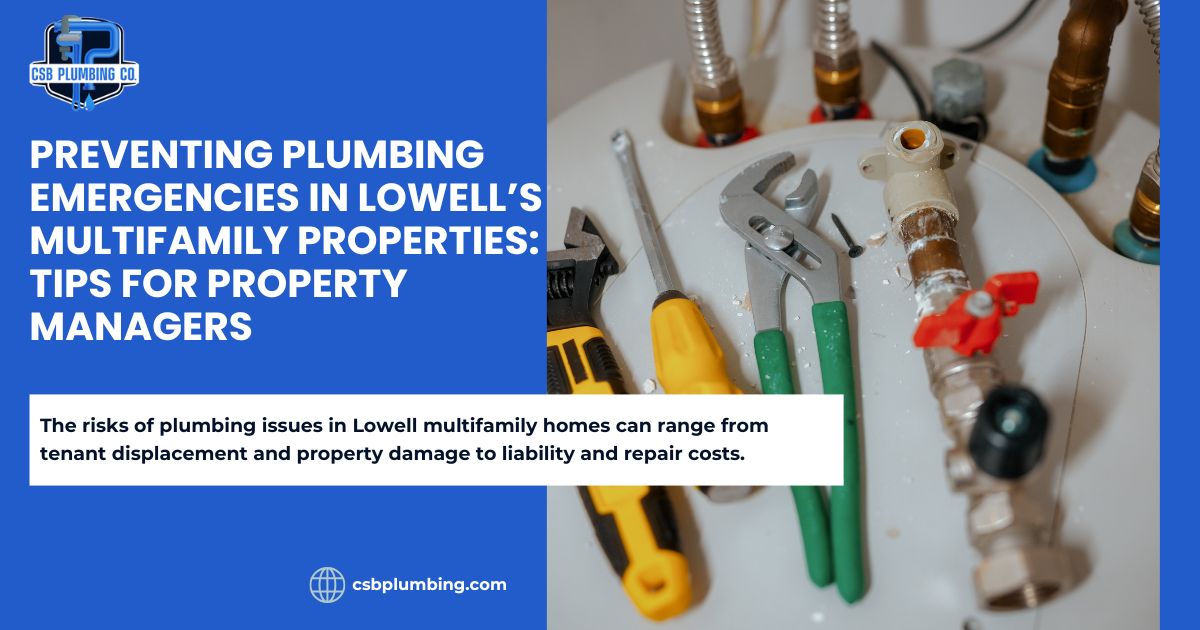
The collection includes an adjustable wrench, a yellow-handled screwdriver, and a pair of tongue-and-groove pliers with green handles.

Plumbing emergencies are never welcome no matter what kind of building you live in. However, when they happen in multifamily apartment buildings, they can be especially disruptive. The risks of plumbing issues in Lowell multifamily homes can range from tenant displacement and property damage to liability and repair costs.

Prevention is the best strategy to save on costs and keep risks down. Here are some tips for Lowell property managers to prevent disruptive plumbing emergencies, reduce unexpected repairs, and keep multifamily apartment systems running reliably year-round. In the event an issue does occur, a prompt call to an experienced emergency plumber in Lowell MA is imperative.

Why Plumbing Systems in Multifamily Homes are More Vulnerable to Emergencies

The risk of plumbing emergencies in multifamily apartments is higher due to the scale and structure of the systems contained within. Unlike single-family homes, plumbing issues in these properties can quickly impact multiple units at once. In fact, a single plumbing failure can affect dozens of tenants within minutes.

Here are some conditions that make plumbing emergencies more likely in these types of properties:

  • Shared plumbing systems: Just one pipe failure, blockage, or leak can disrupt water service or damage multiple apartments.
  • Aging infrastructure: Many Lowell multifamily buildings feature older pipes and fixtures that can be at a greater risk for corrosion, leaks, and breakdowns.
  • High daily water usage: Constant water use from multiple pipes, drains, and plumbing fixtures, which causes faster wear and tear over time.

This is why preventive commercial plumbing maintenance is something property managers can’t overlook when in charge of multifamily properties.

image showing a historic home in Lowell, MA with the title: Fixing Plumbing Problems in Lowell’s Historic Homes Before They Cause Water Damage.

5 Most Common Plumbing Emergencies in Lowell Apartment Buildings

From burst pipes to sewer backups, here’s a look at some of the most common plumbing emergencies apartment buildings face:

  1. Burst or frozen pipes: Pipes can freeze and rupture when exposed to many days of cold temperatures. This can result in sudden flooding and costly water damage if not caught right away.
  2. Sewer line backups: Blockages or root intrusion in shared sewer lines may send wastewater back up into apartment units, compromising tenant health and increasing cleanup costs.
  3. Water heater failures: Old or over-stressed water heaters can leak or simply fail. Not only can this leave residents without hot water, it can damage surrounding areas.
  4. Clogged main drains: A blocked main drain can cause simultaneous backups in sinks, tubs, and toilets throughout the building.
  5. Hidden leaks and structural damage: Leaks behind walls or under floors are not visible right away, and can grow mold or weaken materials.

As a property manager, knowing how to spot these issues and respond in a timely manner by calling CBS Plumbing. As an emergency plumber, we can limit disruption to tenants and reduce the spread of damage.

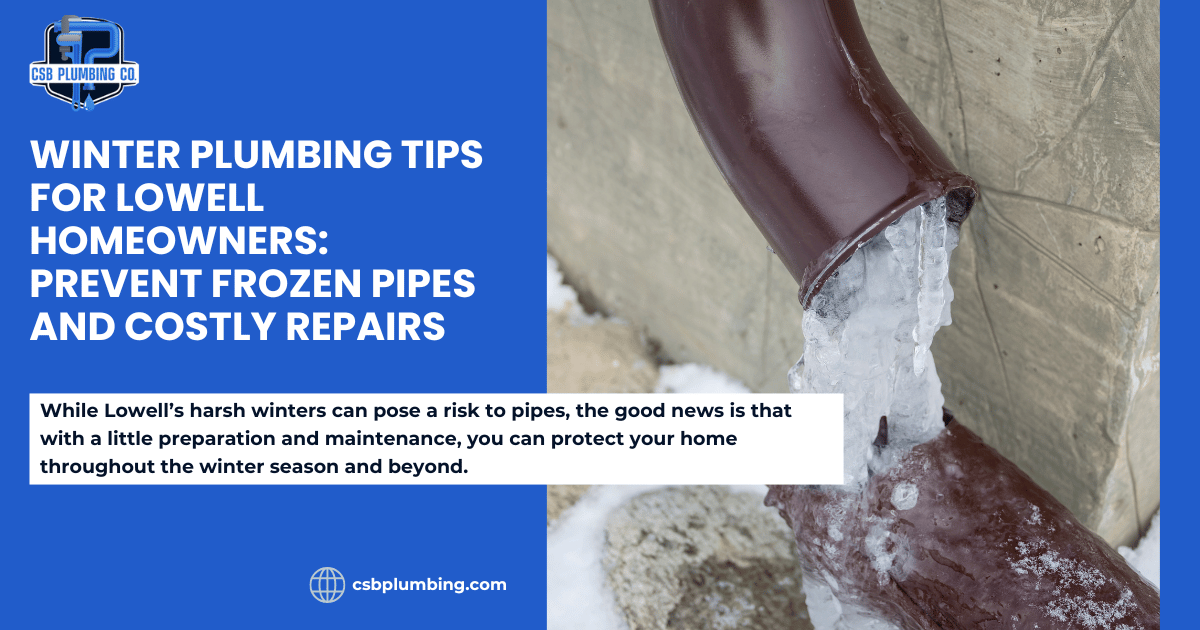
Photo of a frozen pipe and the article title: Winter Plumbing Tips for Lowell Homeowners: Prevent Frozen Pipes and Costly Repairs.

Preventative Maintenance Tips For Lowell Property Managers

Preventative plumbing maintenance is the name of the game, as it costs far less than emergency repairs and water damage restoration. Here’s a quick checklist to help property managers maintain their Lowell multifamily plumbing systems all season long.

  • Schedule annual plumbing inspections
  • Monitor water pressure levels
  • Insulate exposed pipes (ideally before winter)
  • Address small leaks immediately
  • Educate tenants on proper drain use

When to Call a Professional Plumber

As a property manager tasked with the well-being of tenants and structural integrity of the building, knowing when to call an emergency plumber in Lowell should be a top priority.

  • Warning signs you shouldn’t ignore: Persistent clogs, recurring leaks, unexplained water damage, foul odors, or sudden changes in water pressure. Don’t attempt to fix these issues yourself. They signal a deeper issue within the system that needs a professional’s attention.
  • Targeted expertise: Choose a plumber who knows Lowell’s building styles, aging pipe materials, and local codes inside and out. They are better able to diagnose problems faster and recommend solutions geared toward multifamily properties in the region.
  • Look for 24/7 emergency availability: Plumbing emergencies happen when you least expect it. Make sure your Lowell plumber offers round-the-clock service to keep water damage at bay and protect tenants.

In a nutshell, you should call CSB Plumbing for our an emergency services at the first sign of recurring clogs, water pressure changes, or unexplained water damage.


Lowell Multifamily Plumbing FAQs

Q: How often should multifamily buildings have plumbing inspections?

A: Ideally, inspections should be done once per year, but more often for older buildings.

Q: What plumbing issues need immediate attention?

A: Burst pipes, sewage backups, water heater leaks, and loss of water service all warrant a call to an emergency plumber in Lowell MA.

Q: Can tenant behavior cause plumbing emergencies?

A: Yes, which is an important reason to prioritize tenant education on improper drain use. Oftentimes, tenants aren’t aware that what they’re doing (flushing non-flushable items or even flushable wipes down the toilet, for example) could be causing building-wide issues.

Q: Are plumbing emergencies more expensive after hours?

A: Yes. This is why preventative maintenance is so important in reducing long-term costs for property managers.


Get a Quote From CSB Plumbing Co.

Protect your multifamily plumbing system from costly emergencies. It’s time to schedule preventative plumbing maintenance with CSB Plumbing to keep costs and disruptions down. Get a free quote online or call us at (978) 690-7090 today.

Frozen Pipe Repair in Lowell, MA: Prevention Tips & What To Do If Pipes Burst

A broken, frozen brown downspout pipe with ice spilling out near a concrete foundation and snow-covered ground.

When temperatures drop in Lowell, frozen pipes can quickly turn into burst pipe emergencies. Every winter, homeowners across Middlesex County deal with cracked water lines, ceiling leaks, and costly water damage caused by frozen plumbing.

The last thing you want to do is wake up on a frigid winter morning to a burst pipe. However, there’s no denying that freezing temperatures and aging plumbing systems can be a dangerous combination. Burst pipes often happen with no warning, leaving you with water damage and costly repair bills – not to mention a major headache from the inconvenience and stress.

In this guide, we’ll explain how to prevent frozen pipes and what to do if you need frozen pipe repair in Lowell, MA.

While Lowell’s harsh winters can pose a risk to pipes, the good news is that with a little preparation and maintenance, you can protect your home throughout the winter season and beyond. Plus, it never hurts to have a Lowell plumber in your corner if the worst does happen.

Frozen pipes: A serious threat to Lowell homeowners

The coldest month of the year in Lowell is January, with average daily temperatures ranging from a high of 35°F to a low of 19°F. February is not much better, with a mean daily temperature of 29°F. When temps plummet, the risk of burst pipes rises – especially if you have an older home, your pipes are uninsulated, or they are located in unheated or poorly insulated areas such as basements, attics, or garages. Many older homes in Belvidere and Centralville have exposed basement piping that is especially vulnerable during sub-20°F cold snaps.

A broken, frozen brown downspout pipe with ice spilling out near a concrete foundation and snow-covered ground.

Temperatures below 20°F can cause water in your pipes to freeze; as it freezes, it expands. That pressure can make your pipes crack or burst, sending gallons of water into your home in mere minutes once the ice thaws.

There are many common causes of burst pipes, especially within older homes that Lowell is known for:

  • Insufficient insulation around plumbing lines
  • Exposed pipes in unheated areas or in exterior walls
  • Gaps or drafts in basements, crawlspaces, and foundations
  • Lack of winterization to outdoor spigots and hose bibs

Addressing these issues can help to prevent frozen pipes, saving you time, money, and hassle.

Taking winter precautions

Ideally, before the cold of winter really sets in, you want to take steps to ensure your pipes can withstand freezing temperatures. Hire a local licensed plumber to:

  • Inspect and insulate vulnerable pipes
  • Service your heating/plumbing system (i.e., flushing the water heater, etc.)

Steps you can take on your own as a homeowner include:

  • Adjusting thermostats and maintaining a minimum indoor temperature
  • Turning on faucets for a slow drip in extreme cold
  • Monitor weather forecasts and prepare in advance
  • Keep garage doors closed if you have plumbing in there
  • Open cabinet doors to allow warm air to circulate
  • Turn off outdoor faucets and drain garden hoses

A Promotional image for a blogpost Simple Plumbing Fixes Every Lowell Homeowner Should Know Before Calling a Plumber.

Your pipes are frozen: Now what?

From reduced or no flow to frost on pipes, keep an eye out for signs that your pipes have frozen. If this still happens despite your best efforts, check out these tips.

First, here’s a look at what you shouldn’t do:

DON’T:

  • Use an open flame to try to thaw a frozen pipe. Blowtorches, propane heaters, and lighters are all fire risks and, at the very least, can damage the pipe.
  • Apply intense or uneven heat too quickly, as the pipe could crack or burst.
  • Ignore a frozen pipe. You may be tempted to let it thaw on its own, but delays could cause the pipe to burst once the ice expands and thaws.

Now, here’s a look at some safe ways to thaw a frozen pipe – before it bursts:

DO:

  • Use a hair dryer: Start near the faucet and gradually work toward the area of concern.
  • Place a heat lamp or space heater near the frozen area but not directly touching.
  • Soak some towels in warm water, then wrap them around the pipe.
  • Open cabinet doors so warm air can reach under-sink pipes.
  • Leave the affected faucet on during the thawing process so melting ice has a way to escape.


Your pipes have burst: Now what?

If you’re faced with the worst-case scenario and your pipes have burst, jump into action right away.

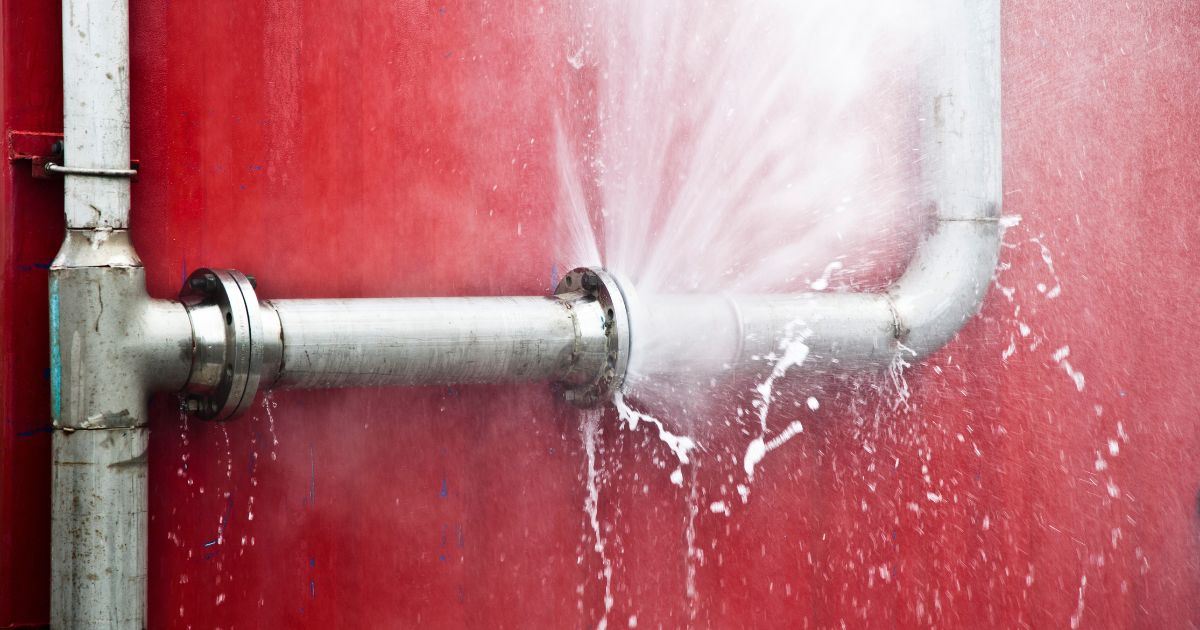
A metal pipe joint spraying a high-pressure stream of water against a bright red wall, indicating a burst pipe.

  • Shut off the main water supply.
  • Turn off electricity to affected areas (outlets, appliances, fuse boxes).
  • Call a Lowell plumber to book emergency repair.
  • Clean up the area with towels, a wet/dry vacuum, or fans to prevent water damage and mold.
  • Take photos of the damage to aid in insurance claims.

Sometimes you either don’t know where the frozen pipe is or you can’t reach it. In either case, don’t waste time. Call a licensed plumber so they can safely locate and address the pipe in question.

Long-term strategies and upgrades

Look ahead to the future, there are a few things you can do now to prevent frozen pipes from happening next time.


Why hire a local plumber for a winter plumbing inspection? (It’s not too late!)

Of course, it’s always best to prevent frozen pipes before they happen. That’s why it’s important to schedule a pre-winter plumbing inspection with CSB Plumbing. But even if you are just getting around to this, it’s OK: it’s never too late to be proactive. During this inspection, you can expect us to identify vulnerable areas such as:

Perhaps the biggest benefit is the peace of mind these inspections provide, making sure your plumbing system is operating efficiently overall. This not only reduces your energy usage, but it also prevents mid-winter breakdowns.

FAQ’s

1. At what temperature do pipes typically freeze in Lowell, MA?

In our experience, pipes in Lowell homes can start to freeze when temperatures drop below 20°F, especially if they’re located in unheated areas like basements, attics, garages, or exterior walls. We often see this happen in older homes with exposed or poorly insulated piping during extended cold snaps.

2. How can I prevent pipes from freezing during winter?

We recommend several simple steps to help prevent frozen pipes. Insulating exposed pipes, keeping your thermostat set to a consistent temperature, letting faucets drip during extreme cold, opening cabinet doors to allow warm air to circulate, and disconnecting outdoor hoses can all make a big difference. We also recommend scheduling a winter plumbing inspection so we can identify vulnerable pipes before freezing temperatures arrive.

3. What are the signs that my pipes may be frozen?

When we get calls about frozen pipes, homeowners often report little or no water flow from faucets, frost on exposed pipes, unusual smells from drains, or visible bulging in the pipe. If you notice any of these warning signs, it’s important to act quickly so the pipe doesn’t crack or burst.

4. What should I do if a pipe freezes in my home?

If you suspect a frozen pipe, we recommend turning on the faucet connected to the pipe and applying gentle heat using a hair dryer, warm towels, or a nearby space heater. Never use an open flame. If you can’t locate the frozen section or the pipe won’t thaw, that’s when it’s best to call us so we can safely resolve the issue.

5. What should I do if a pipe bursts in my Lowell home?

If a pipe bursts, the first thing we always advise is to shut off the main water supply immediately to stop further flooding. Then turn off electricity near the affected area and call a licensed plumber right away. Our team can respond quickly to repair the damaged pipe and help minimize water damage to your home.

A newly installed Sump Pump in a Tewksbury, Ma home.

When to Call CSB Plumbing for Frozen Pipe Repair in Lowell

Whether you need a mid-winter inspection or are facing a burst pipe emergency, we are here for you with fast, reliable emergency plumbing repairs throughout the season.

Here are six situations in which you want to call for an emergency plumbing repair in the Lowell area:

  • No water flow
  • Visible pipe cracks
  • Water stains
  • Multiple frozen lines
  • You can’t access the pipe
  • Pipe has burst

If you’re facing frozen or burst pipes this winter, don’t wait for water damage to spread. CSB Plumbing provides fast frozen pipe repair in Lowell and throughout Middlesex County.

Call 978-690-7090 for emergency winter plumbing service.

Simple Plumbing Fixes Every Lowell Homeowner Should Know Before Calling a Plumber

Plumbing tools like wrench, snake, valve - a common emergency plumbing fix tools for homeowners face.

A slow drain or leaky faucet may seem harmless at first, but they can actually be a sign of more serious concerns lurking behind the scenes. If ignored, those minor annoyances can morph into major repairs that cost you money and time in the long run – not to mention the risk of water and structural damage. As a budget-conscious homeowner, it’s important to know how to tackle some simple plumbing fixes on your own before you reach out to a trusted Lowell plumber.

From peace of mind to more money in your wallet, being able to perform DIY fixes can help you stay on top of home maintenance without having to rely on professional help every time. That being said, there are some issues that should only be left up to the pros. Here are some simple plumbing fixes every Lowell homeowner should know, and guidance as to when it’s time to make the call to CSB Plumbing.


Unclogging a sink or shower drain

One of the most common plumbing issues affecting homeowners is a slow-draining sink or shower. First, you’ll need a few basic tools such as:

  • Plunger
  • Baking soda and vinegar
  • Drain snake
  • Rubber gloves

a plumber is working on a shower head.

DIY suggestions

  1. Fill the tub or sink with about three inches of water, then place the plunger on top of the drain and pump several times. This should hopefully remove blockages caused by hair, soap scum, or grease.
  2. Pour a half cup of baking soda down the drain, followed by one cup of white vinegar. Wait 10 minutes, then pour hot water down the drain.
  3. If all else fails, gently push a snake down the drain and twist to catch hair or debris.


When to call a  professional Lowell plumber

If none of the above solutions resolve the issue, or if water begins backing up into other fixtures, it’s time to contact a professional plumber. A deeper blockage within the plumbing system or sewer line may be the cause, and a professional inspection is the safest way to identify and correct the problem. CSB Plumbing is ready to help restore proper flow and prevent further damage.


Fix a running toilet

Nothing is more annoying than a constantly running toilet. It can also waste a lot of money and water. According to the EPA, a leaky toilet can waste 200 gallons of water every single day.


DIY suggestions

You can try replacing a few basic components to see if that does the trick.

  1. Flapper: This is a rubber piece at the bottom of the tank that lifts when you flush and seals the water when the flush is done. They can get warped or loose over time, which causes water to continuously leak into the bowl. If the flapper looks worn or cracked, replace it.
  2. Float: This regulates the water level in the tank. If too high, the water will run into the overflow tube. You want the water to shut off an inch below the overflow tube, so make an adjustment to the float arm or screw, depending on the model you have.
  3. Fill Valve: If your fill valve is worn out or clogged, buy a kit and grab a wrench to replace it.


When to call a local plumber

If the issue persists despite completing the recommended DIY Suggestions, a more complex internal problem may be the underlying cause. At that point, it’s best to contact a trusted Lowell plumber to assess the situation and provide a proper solution. CSB Plumbing is always here to help diagnose and resolve issues quickly and professionally.


Stop a leaky faucet

Like a constantly running toilet, a single leaky faucet can waste dozens of gallons of water per day and cost you a lot more on your utility bills. In fact, the EPA says a leaky faucet that drips at a rate of one drip a second wastes more than 3,000 gallons a year.


DIY suggestions

First, know which type of faucet you have, whether compression, cartridge, ball, or ceramic disc. Next, turn off the water supply and drain any remaining water, placing towels underneath to catch any moisture. Replace washers or cartridges according to instructions for each type. All washer types can be found at your local hardware store.


When to call a Lowell plumber

If leaks are originating from the base of the sink or you observe corrosion, stripped threads, or similar wear, underlying valve or pipe issues may be to blame. These types of problems require prompt attention from a qualified plumber to ensure a safe and lasting repair. CSB Plumbing is here to provide expert diagnostics and reliable solutions.


Relight a gas water heater pilot light

No one wants to be left with a cold shower. But if you suddenly don’t have hot water, it may be because the pilot light went out. While it’s relatively easy to relight the pilot, it requires caution since it involves gas.

professional gas heating technician with natural gas detector device in his hands looking for potential leaks inside the heating furnace system.

However, don’t attempt to relight it if you smell a strong gas odor. Call your gas utility or a local plumber, and leave the premises.

  1. Turn the gas control knob to “OFF” and wait five minutes.
  2. Remove the access panel to get to the burner and pilot light tube.
  3. Press and hold down the control knob on “PILOT.” At the same time, ignite the pilot with a long lighter or use the built-in igniter button. Hold for up to 60 seconds after the flame lights.
  4. Release the knob slowly.
  5. Turn the knob to “ON,” then replace the access panel and make adjustments to the thermostat.


When to Call a Lowell Plumber

Sometimes the pilot light keeps going out, or it won’t stay on. That could be due to anything from a faulty thermocouple to a clogged pilot tube. If you see a yellow or orange flame instead of blue, this could signal a potential carbon monoxide leak. In all those cases, contact CBS Plumbing we have experience in water heater service throughout Lowell.


How to prevent future plumbing issues

Preventing plumbing problems in the first place is always the best course of action. You can ensure a smooth-running plumbing system with a bit of routine maintenance and a few basic tools for quick DIY fixes.

  • Keep a basic toolkit on hand that includes items such as plungers, adjustable and pipe wrenches, plumber’s tape, drain snake, bucket, flashlight, extra washers and o-rings, and plumbing putty.
  • Conduct quick preventative checks each month to inspect your system and make sure it’s running smoothly. Check under sinks for moisture or corrosion, check spouts for drips, and keep an eye on slow drains.
  • Schedule seasonal plumbing checkups with a Lowell plumber you trust. They can flush water heaters, insulate exposed pipes before winter, inspect sump pumps, replace worn parts, and generally make sure the system is running optimally. Catching problems early helps to keep costs low and extend the life of your system.

Women looking at a leaking pipe under her kitchen sink.

Beyond simple plumbing fixes: When to call a professional plumbing company

While there are a few tasks you can tackle as a DIY’er, some issues demand the attention of an experienced Lowell plumber. If the problem persists, involves water damage or sewer odors, or results in loss of hot water, reach out to us for local expertise and fast response times.

1. What plumbing problems can homeowners safely fix themselves?

In our experience, homeowners can often handle simple plumbing issues like unclogging a sink or shower drain, replacing a toilet flapper to stop a running toilet, or replacing washers in a dripping faucet. These types of repairs usually require only basic tools and can help prevent small problems from getting worse.

2. When should I call a professional plumber instead of attempting a DIY repair?

We always recommend calling a professional plumber if the problem keeps coming back, involves multiple fixtures, causes water damage, produces sewer odors, or affects your hot water system. These signs often indicate a deeper plumbing issue that requires professional tools and expertise.

3. Why is my sink or shower drain draining slowly?

When we inspect slow drains in Lowell homes, the most common causes are hair buildup, soap scum, grease, or debris trapped in the pipe. Many minor clogs can be cleared with a plunger, drain snake, or baking soda and vinegar solution. If the clog keeps returning, it may be deeper in the plumbing system or sewer line.

4. Why does my toilet keep running after I flush it?

A running toilet is usually caused by a worn flapper, improperly adjusted float, or failing fill valve. These components are relatively inexpensive and can often be replaced quickly. If the problem continues after replacing these parts, we recommend having a plumber inspect the toilet to identify any internal issues.

5. How can I prevent plumbing problems in my home?

We always encourage homeowners to stay proactive with routine maintenance. Simple steps like checking under sinks for leaks, watching for slow drains, keeping basic plumbing tools on hand, and scheduling seasonal plumbing inspections can help catch small issues before they turn into costly repairs.

Get a free quote from CSB Plumbing Co.

When a DIY fix just won’t cut it, rely on our Lowell plumbers to get to the bottom of it. Book your appointment and free quote online or call us at (978) 690-7090 today!

Plumbing in Lowell’s Converted Mill Buildings: Challenges and What Property Owners Need to Know

Fixing leaky plumbing under a sink, a common task when updating systems in older converted mill buildings.

Lowell is known for its historic brick mill buildings that once thrived as the hub of booming textile operations during the height of the Industrial Revolution. Powered by the roaring waters of the Merrimack River, these sprawling structures once formed the foundation of the country’s manufacturing economy.

Today, that era of history and function is in the rear-view mirror. However, while they may have old bones, these buildings now embrace a renewed purpose after being converted into modern apartments, offices, and mixed-use spaces. This effort to preserve their 19th-century architectural character doesn’t come without its challenges.

No matter how time-honored these buildings are, the plumbing in Lowell mill buildings leaves a lot to be desired. Thanks to the thick masonry walls, original pipe layouts, and aging infrastructure inherent in these buildings, plumbing tasks can pose a big challenge.

If you’re a property owner, facility manager, or developer working within these classic brick structures, it’s important to understand these unique plumbing challenges to ensure safety, efficiency, and functionality. Partnering with a local professional skilled in historic building plumbing retrofits is a wise move.

promotional image for a blogpost Preventing Plumbing Emergencies in Lowell’s Multifamily Properties Tips For Property Managers.

Outdated plumbing in Lowell mill buildings vs. modern expectations

Lowell’s converted mill buildings boast a charming original infrastructure, but below the floors and behind the walls, a different story is being told. Their plumbing systems were not built with modern demands in mind when they were created brick by brick in the 1820s and beyond. Construction on complexes such as the Boott Cotton Mills, for instance, began in the mid-1830s, initially harnessing water and steam and later electricity.

Fixing leaky plumbing under a sink by a plumber.

Inadequate original plumbing in converted mill buildings in Lowell

In the 19th and early 20th centuries, plumbing in Lowell mill buildings was designed solely for industrial manufacturing processes. They were not designed for residential apartments, high-usage bathrooms, retail stores, offices, or restaurants. Lacking the proper drainage slopes, venting, and zoning can pose a big challenge for historic building plumbing retrofits to meet current building codes and user expectations.

Plumber working on a pluming repair in Lowell, MA. Image containing the title: Plumbing Problems in Lowell, MA Complete Guide for Homeowners, Landlords, and Businesses.

Common plumbing issues in converted mills

From inconsistent water pressure to frequent clogs, there are many issues common to plumbing in Lowell mill buildings, such as:

In addition, there are several retrofitting and compliance challenges that are par for the course when tackling historic building plumbing retrofits. Not only do property developers have to comply with ADA regulations, but they often have limited access to infrastructure, posed by thick masonry walls or historical preservation rules.

In addition, they must adhere to fire suppression and backflow prevention requirements in multi-use spaces while ensuring the retrofit work complies with modern state and local plumbing codes.


The challenges of managing multi-tenant plumbing systems

The actual work of historic building plumbing retrofits must be approached with careful planning and respect for the tenants. Even after the work has been done, there are many challenges associated with managing multi-tenant plumbing systems within one large mill space.

  • Shared main lines can lead to the risk of cross-contamination.
  • The balance of pressure and flow between apartments or units can pose challenges for plumbing in Lowell mill buildings.
  • Maintenance must be scheduled without causing disruption to tenants or businesses.
  • Communication is key when explaining plumbing protocols to tenants, such as the importance of proper and regular grease disposal.
  • Maintenance plans must be customized to mill buildings, keeping seasonal concerns and high-usage zones in mind.
  • Regular inspections and hydro-jetting old pipes are imperative in keeping systems flowing smoothly.
  • Leak detection technology and water-quality testing must be incorporated into older construction.

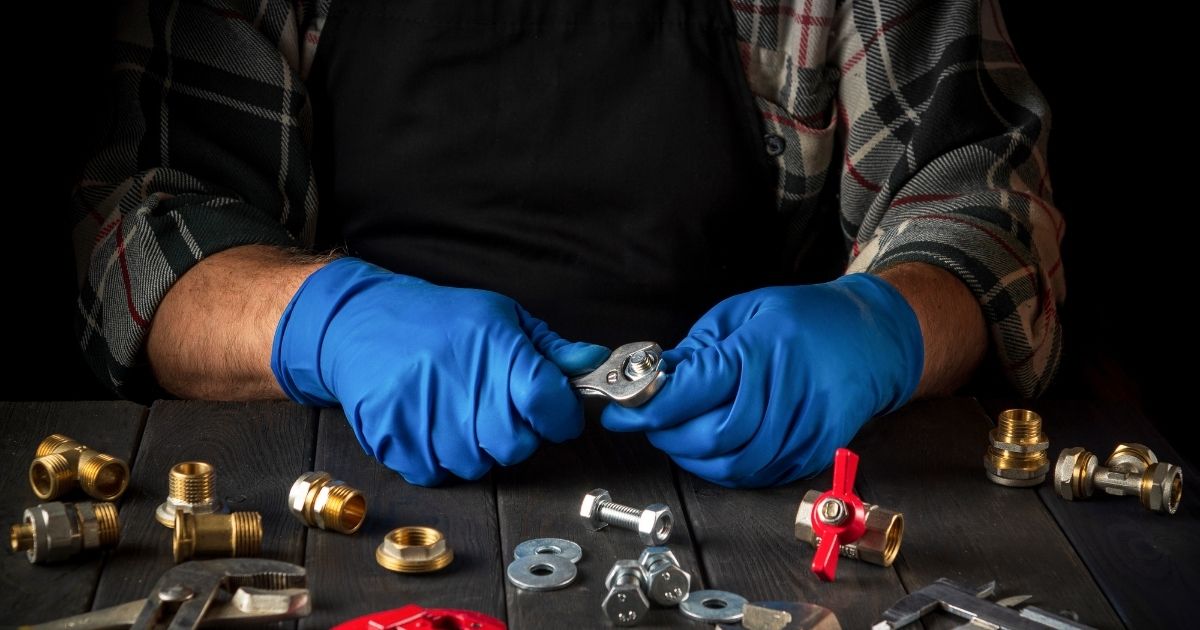
A Plumber examines a small metal fitting amidst a collection of plumbing hardwares.

Working with a local Lowell plumber: Why it matters for converted Mills

Complex plumbing systems in Lowell’s converted mill buildings require a seasoned professional like CSB. We understand the unique challenges inherent in historic infrastructure like Lowell’s mill buildings and can save you time, money, and stress. We can:

Bring local knowledge for faster, smarter solutions:

From aging water mains to unpredictable layouts, we know what to expect before we even open up a wall. As a result, you enjoy faster diagnostics and fewer surprises during repairs or upgrades.

Handle all permits and meet regulations:

We understand Lowell’s permitting processes and building codes inside and out, especially regarding historic buildings and multi-use conversions. This creates a smoother road to project approvals, with fewer compliance issues and less downtime.

Hands-on experience:

Because we work so often with mill building retrofits, you can trust us to bring a focused insight into what’s behind the brick walls. From original drainage lines buried in concrete to rusted cast iron stacks, we know what it takes to plan an efficient retrofit. We make sure not only to upgrade the plumbing system to meet modern demands but also to preserve the structure’s charm and integrity.


FAQ’s

1. What plumbing challenges are common in Lowell’s converted mill buildings?

In our experience working in Lowell’s historic mill buildings, the most common plumbing issues include aging cast iron or galvanized pipes, hidden leaks, inconsistent water pressure, poor drainage layouts, and frequent clogs caused by older pipe systems. Because many of these buildings were originally designed for industrial use, the plumbing often needs significant upgrades to support modern residential or commercial demand.

2. Why do historic mill buildings require specialized plumbing upgrades?

Most Lowell mill buildings were constructed in the 1800s for manufacturing operations, not for modern apartments or offices. When we retrofit plumbing in these buildings, we often have to replace outdated materials, improve drainage and venting systems, and ensure the plumbing meets modern building codes while preserving the building’s historic structure.

3. What types of pipes are commonly found in older mill buildings?

When we inspect plumbing systems in converted mills, we often find cast iron, galvanized steel, or even lead piping. Over time, these materials can corrode, crack, or restrict water flow. During renovations or upgrades, we typically recommend replacing them with modern materials like PEX, copper, or PVC for improved safety and reliability.

4. Why is plumbing maintenance important for multi-tenant mill buildings?

Multi-tenant buildings place much higher demand on plumbing systems because multiple apartments, offices, or businesses share the same water supply and drainage lines. Regular inspections, leak detection, and maintenance help prevent backups, pressure imbalances, and costly water damage in these large shared systems.

5. Why should property owners work with a local plumber for mill building plumbing projects?

Because we work regularly with Lowell’s historic mill buildings, we understand the unique layouts, aging infrastructure, and local building codes that affect these properties. Our local experience allows us to diagnose issues faster, navigate permitting requirements, and design plumbing upgrades that meet modern standards while protecting the building’s historic character.

Get a free quote from CSB Plumbing Co.

If you’re planning a mill building conversion, don’t neglect the importance of proactive care when it comes to the plumbing system. Protect your investment with regular inspections and maintenance to determine whether your mixed-use space plumbing system meets modern demands. Book your appointment and free quote online or call us at (978) 690-7090 today to get expert help from a trusted Lowell plumber for plumbing in Lowell mill buildings.

How to Keep Plumbing Systems in Lowell’s Commercial Buildings Running Smoothly

A photo of a technician check pipe repaired. This is one of many of the common plumbing problems in Lowell MA.

If you’re the owner or manager of a commercial building in Lowell, you know how important it is to keep the plumbing system running smoothly. One missed inspection or maintenance appointment, backup, code violation, or leak left unchecked can slow – or completely halt – daily operations. Regular plumbing maintenance in Lowell is critical if you want to safeguard your property, ensure smooth operations, and preserve your business’s reputation. That’s why it’s so important to rely on an experienced commercial plumber in Lowell to manage these pitfalls.

From office buildings to restaurants, CSB Plumbing is well-versed in the unique plumbing issues affecting Lowell’s thriving businesses. That’s because we have deep roots in the Lowell community and bring years of hands-on experience in keeping the city’s commercial plumbing systems working efficiently and up to code.

Today we’ll talk about the importance of preventive maintenance and how to address common commercial plumbing challenges.


Preventive Maintenance: How to Maintain Plumbing in Commercial Buildings in Lowell

From regular inspections to water pressure monitoring, there are many preventive maintenance tasks that no commercial building owner in Lowell should ignore. While cursory checks on your own can be fruitful in catching obvious problems, it’s also a good idea to partner with a commercial plumber in Lowell to conduct periodic inspections and seasonal checks.

1. Scheduled Plumbing Inspections

Routine plumbing inspections provide the opportunity to catch small problems before they worsen into more damaging and costly ones. During these inspections, your commercial plumber in Lowell will be on the lookout for:

Not only do regular inspections ensure your commercial plumbing system remains compliant with local regulations, it also ensures you’re up-to-date with insurance requirements.

2. Leak Detection and Pipe Monitoring

Silent leaks not only waste thousands of gallons of water per year, they can result in extensive structural damage or mold. According to the Environmental Protection Agency (EPA), a single leaky faucet dripping at a rate of one drip per second wastes more than 3,000 gallons per year. An experienced commercial plumber in Lowell, like CSB Plumbing, can rely on advanced diagnostic tools to identify silent leaks that may be lurking underground or within walls.

3. Water Pressure Management

High water pressure can be a coveted feature of any plumbing system but in actuality, that high pressure can be quite damaging to fixtures and pipes, and can even void warranties. It’s important for commercial buildings to have balanced pressure over multi-level systems, which means pressure-reducing valves (PRVs) should be included in your plan for plumbing maintenance in Lowell.

4. Seasonal Commercial Plumbing System Checks

Your commercial plumbing system must be able to stand up to Lowell’s brutal winters. That’s why cold-weather prep should not be ignored. Before the winter sets in, you should:

  • Insulate exposed piping
  • Test out sump pumps
  • Drain unused systems
  • Add proper antifreeze levels in traps

Photo of CSB Plumbing tech repairing a commercial plumbing system in Tewksbury, MA.

How to Address Common Commercial Plumbing Challenges in Lowell

From high occupancy to aging infrastructure, commercial buildings in Lowell face unique plumbing demands. On top of that, the kind of business you run can impact those demands as well. For example, the plumbing challenges of a multi-unit high rise office building will have different demands than a restaurant or coffee shop. Staying ahead of these issues takes a commitment to proactive solutions rather than reactive ones. Here’s a quick guide on how to maintain plumbing in commercial buildings in Lowell.

Commercial Grease Traps and FOG (Fats, Oils, Grease) Management

Compliance with strict grease trap requirements means restaurants and food service businesses must do what they can to avoid sewer blockages and city fines. If ignored, grease traps can clog, overflow, or emit foul odors. Restaurant owners should:

  • Routinely clean and inspect grease traps and interceptors
  • Install code-compliant FOG systems
  • Train staff on proper disposal practices
  • Coordinate with Lowell’s municipal waste standards

Restrooms and Fixtures

From schools to retail stores, high-traffic restrooms in commercial buildings are vulnerable to worn-out flush valves, leaking faucets, and clogged drains. In addition to scheduled maintenance of valves, sensors, and auto-flush systems, owners and managers should be using durable, commercial-grade fixtures designed for heavy use.

Water Pressure Balancing

In multi-tenant buildings, uneven water pressure across floors or units not only leads to frequent complaints but poor plumbing performance overall. This is a common occurrence especially in older Lowell buildings that have been retrofitted to accommodate multiple tenants.

Maintenance tasks will include:

  • Zoning and balancing of water distribution systems
  • Pressure regulator valve (PRV) installation and calibration
  • Redesigning systems for consistent pressure at all usage points

Adherence to all of the above suggestions for plumbing maintenance in Lowell will help to prevent service disruptions, lower repair costs, and ensure more satisfied tenants.


Staying Ahead of Emergencies With a Commercial Plumber in Lowell

Catching and addressing plumbing issues early on is the best course of action to prevent more costly damage later.

Be On the Lookout For Early Warning Signs of a Plumbing Problem

It’s common to hear or smell plumbing issues before you see them. Be aware of:

  • Unusual noises such as gurgling, banging, or whistling from pipes or fixtures. Trapped air or pressure issues could be to blame.
  • Foul sewer odors are often due to venting problems or blocked drains.
  • Slow-draining sinks or floor drains could point to a blockage deep within the system.
  • Water spots or stains may arise from hidden leaks behind walls or above ceilings.


Take Action

Quick action is imperative when you notice something askew. In the event of a plumbing emergency:

  • Shut off water to the affected area.
  • Post warning signs or restrict access.
  • Don’t attempt to fix the problem yourself.
  • Take photos and notes of the damage for insurance purposes.
  • Call a professional commercial plumber in Lowell to inspect and fix the issue.

When you have a commercial plumber in Lowell on speed dial for regular maintenance, you will be better able to jump into action when needed. You need someone local who is ready to respond when an issue arises, not only to mitigate the damage but to keep operations flowing smoothly.

image showing a historic home in Lowell, MA with the title: Fixing Plumbing Problems in Lowell’s Historic Homes Before They Cause Water Damage.

FAQ’s

1. Why is regular plumbing maintenance important for commercial buildings in Lowell?

In our experience, regular plumbing maintenance is one of the best ways to prevent unexpected disruptions in your business. Routine inspections allow us to identify leaks, pressure issues, clogged drains, or worn components before they turn into expensive repairs, code violations, or operational shutdowns.

2. How often should commercial plumbing systems be inspected?

For most commercial properties in Lowell, we recommend professional plumbing inspections at least once or twice per year, depending on the type of business and the level of usage. Restaurants, multi-tenant buildings, and high-traffic facilities may benefit from more frequent inspections to keep systems running efficiently and up to code.

3. What are the most common plumbing problems in commercial buildings?

When we service commercial properties, the most common issues we see include hidden leaks, clogged drain lines, grease buildup in restaurant plumbing, uneven water pressure, and worn restroom fixtures. These problems often develop gradually, which is why regular inspections are so important.

4. Why is grease trap maintenance important for restaurants in Lowell?

For restaurants and food service businesses, grease trap maintenance is essential to prevent sewer blockages, foul odors, and costly city fines. We recommend routine cleaning and inspections to ensure grease traps and FOG (fats, oils, and grease) systems are working properly and meeting Lowell’s municipal requirements.

5. What should I do if there is a plumbing emergency in my commercial building?

If a plumbing emergency occurs, we recommend shutting off the water supply to the affected area, restricting access to prevent further damage, documenting the issue for insurance purposes, and calling a licensed commercial plumber immediately. Acting quickly helps minimize damage and keeps your business running smoothly.

Contact CSB Plumbing Co. for Your Commercial Plumbing Needs

The importance of proactive care can’t be ignored. To schedule regular commercial plumbing maintenance in Lowell, get in touch with us online or call us at (978) 690-7090 today. As a trusted Lowell plumber for local businesses, we’re here to keep your systems running smoothly.

Fixing Plumbing Problems in Lowell’s Historic Homes Before They Cause Water Damage

photo of a leaking pipe in a historic Lowell home.

Throughout Lowell, historic homes line the landscape, from Queen Annes to Colonial Revivals. Each one features a unique architectural beauty that draws the eye and captures the spirit of the city’s rich heritage. While the homes may be charming, the plumbing systems within them may not be.

With plumbing systems that date back decades and centuries, they can pose far-reaching and costly problems for home and property owners. Left unchecked, even the smallest leaks or failing pipes can result in serious water damage. That’s why it’s so important to partner with a company that has extensive experience in historic home plumbing repair in Lowell. Our plumbing team brings vast knowledge of the community’s common plumbing concerns and can address them in a timely manner with respect to both the home’s age and your budget.

In this article we’ll talk about the common plumbing issues plaguing historic Lowell homes, what the early warning signs are, suggested repair practices, and how CSB Plumbing can help.

Why do historic homes need special plumbing care?

From aging materials to outdated plumbing standards, there are many ways in which older homes are at a higher risk of leaks, water pressure issues, and corrosion. Because they were constructed in such a unique way — containing legacy piping systems and delicate finishes — a more careful, mindful approach is necessary when it comes to historic home plumbing repair in Lowell.

Here’s a look at those factors:

  • Old materials and outdated plumbing standards: Many historic homes—particularly those built before the 1960s—contained galvanized steel, old cast iron, and lead pipes. Over time, a buildup of rust and mineral deposits can occur, resulting in anything from reduced water pressure to increased risk of pipe bursts.
  • Architectural limitations: Many older homes have difficult-to-access plumbing systems contained in walls and other structures that can’t simply be torn out. In these instances, plumbers can develop work-arounds to these challenges, such as with pipe relining, spot repairs and seals, and even discreet access panel installation to make repairs without compromising delicate features.
  • Preservation concerns: Old house plumbing problems often require repairs be done in a way that respects the historic fabric of the home and neighborhood – especially when located in a historic district.
  • Risk of compounding damage: Once water seeps inside, whether from a burst pipe or slow leak, rot, mold, and structural damage can set in before you know it. To prevent this kind of water damage in Lowell, early detection and treatment are vital.

Common plumbing problems in historic homes in Lowell

A historic yellow Georgian mansion in Lowell with white trim, representing the older homes requiring proactive plumbing maintenance.

From slow or clogged drains to hidden leaks and failed seals, there are many problems that are common to historic homes in this region.

  • Slow or clogged drains due to buildup
  • Corrosion and pinhole leaks in old metal pipes
  • water pressure variations from pipe deterioration or partial blockages
  • Sewer line issues, such as tree root intrusion and cracks in old sewer lines
  • Faulty joints, aging gaskets, and failed seals

Calling a plumber well-versed in historic home plumbing repair in Lowell is necessary to mitigate and address these issues… fast.  

6 Plumbing warning signs historic homeowners should not ignore

Quick detection and action are key in keeping more extensive – and expensive – problems at bay. As a homeowner or landlord, you should be ever-vigilant in keeping an eye out for these six warning signs of impending plumbing problems in older homes.

  1. Musty odors, damp spots, and discoloration on walls and ceilings
  2. Peeling paint, cracked plaster, or warped wood near pipes
  3. Sudden increases in water bills with no other reason
  4. Dripping or running water sounds even when fixtures aren’t on
  5. Mold or mildew growth in basements and crawl spaces
  6. Low water pressure in certain areas of the home

By understanding and recognizing the above warning signs, you will be better equipped to deal with issues before they worsen. This is the best way to not only avoid major damage and high repair bills, but to protect your home’s historic charm.

Women looking at a leaking pipe under her kitchen sink.

Best plumbing practices and repair techniques

Timely repair by a professional skilled in historic home plumbing repair in Lowell is crucial. Ignoring issues won’t make them go away. They will only spiral out of control and leave you with even bigger problems on your hands.

Before damage escalates, your Lowell plumber can:

  • Use advanced techniques such as infrared, acoustic, backflow testing, and pressure testing to detect leaks behind the scenes
  • Perform trenchless repairs for sewer lines to minimize damage and disruption
  • Reline damaged pipes or replace sections of failing pipes
  • Use flexible connectors and modern materials that are more compatible with historic homes
  • Install backflow preventers and shutoff valves to reduce risk
  • Perform regular maintenance, including flushes, camera inspections, and joint and seal checks


It’s a good idea for owners of older homes to set up a regular maintenance schedule with a plumber to ensure issues are caught early and treated to prevent water damage in Lowell. In addition to scheduling annual or biannual plumbing checkups, you should check visible pipes and crawlspaces regularly, insulate exposed pipes in unheated areas of the home, and refrain from using harsh chemical drain cleaners.

Choosing a plumber for your historic Lowell home

Choosing a plumbing technician with experience in historic home plumbing repair in Lowell is priority #1. CSB Plumbing is knowledgeable in preservation constraints, especially within historic districts.

Next:

  • Request a detailed inspection and assessment report
  • Request photos and video documentation of areas of concern
  • Ask about permits and compliance with Lowell historic district rules
  • Get detailed estimates and timelines in writing
  • Ask about delays and contingencies
  • Plan for temporary disruptions (water shutoffs, access to walls, etc.)

Whether you live on Belvidere Hill, Andover Street, or Wilder Street, there’s little doubt you have pride in the historic home in which you live. Preserving that charm and integrity depends on a properly working and updated plumbing system.

A Promotional image for a blogpost Simple Plumbing Fixes Every Lowell Homeowner Should Know Before Calling a Plumber.

It’s important to schedule an inspection or consultation before small problems become serious and costly.

FAQ’s

1. Why do historic homes in Lowell often have plumbing problems?

In our experience, many historic homes in Lowell still contain aging plumbing materials like galvanized steel, cast iron, or even lead pipes. Over time, these materials corrode, collect mineral buildup, and become more prone to leaks, low water pressure, and pipe failures. Because these systems were installed decades ago, they often require careful upgrades to meet modern plumbing standards.

2. What are the most common plumbing issues in historic Lowell homes?

When we work in older Lowell homes, the most common problems we encounter include slow or clogged drains, corrosion in old pipes, pinhole leaks, fluctuating water pressure, and sewer line issues caused by tree root intrusion or aging pipes. These issues are especially common in homes built before modern plumbing codes were established.

3. What warning signs indicate a plumbing problem in an older home?

We always advise homeowners to watch for early warning signs such as musty odors, damp spots on walls or ceilings, peeling paint near pipes, rising water bills, unusual dripping sounds, mold growth, or sudden drops in water pressure. Catching these signs early can help prevent more serious water damage.

4. Can plumbing be repaired in a historic home without damaging its original features?

Yes. When we perform plumbing repairs in historic homes, we use specialized techniques like pipe relining, trenchless sewer repairs, and discreet access panels to minimize disruption. Our goal is always to repair or upgrade the plumbing system while preserving the home’s architectural integrity.

5. Why should I hire a plumber experienced with historic homes in Lowell?

Historic homes often have unique plumbing layouts, delicate finishes, and local preservation requirements, especially in designated historic districts. Because we regularly work in Lowell’s older homes, we understand how to diagnose issues, navigate permitting requirements, and perform repairs that protect both the plumbing system and the home’s historic character.

Get a free quote from CSB Plumbing Co.

Prevention of water damage is the best option for owners of historic homes. For expert historic home plumbing repair in Lowell from a trusted Lowell plumber you can count on, be proactive and schedule service today online or call us at (978) 690-7090.