

If you’re the owner or manager of a commercial building in Lowell, you know how important it is to keep the plumbing system running smoothly. One missed inspection or maintenance appointment, backup, code violation, or leak left unchecked can slow – or completely halt – daily operations. Regular plumbing maintenance in Lowell is critical if you want to safeguard your property, ensure smooth operations, and preserve your business’s reputation. That’s why it’s so important to rely on an experienced commercial plumber in Lowell to manage these pitfalls.
From office buildings to restaurants, CSB Plumbing is well-versed in the unique plumbing issues affecting Lowell’s thriving businesses. That’s because we have deep roots in the Lowell community and bring years of hands-on experience in keeping the city’s commercial plumbing systems working efficiently and up to code.
Today we’ll talk about the importance of preventive maintenance and how to address common commercial plumbing challenges.
Preventive Maintenance: How to Maintain Plumbing in Commercial Buildings in Lowell
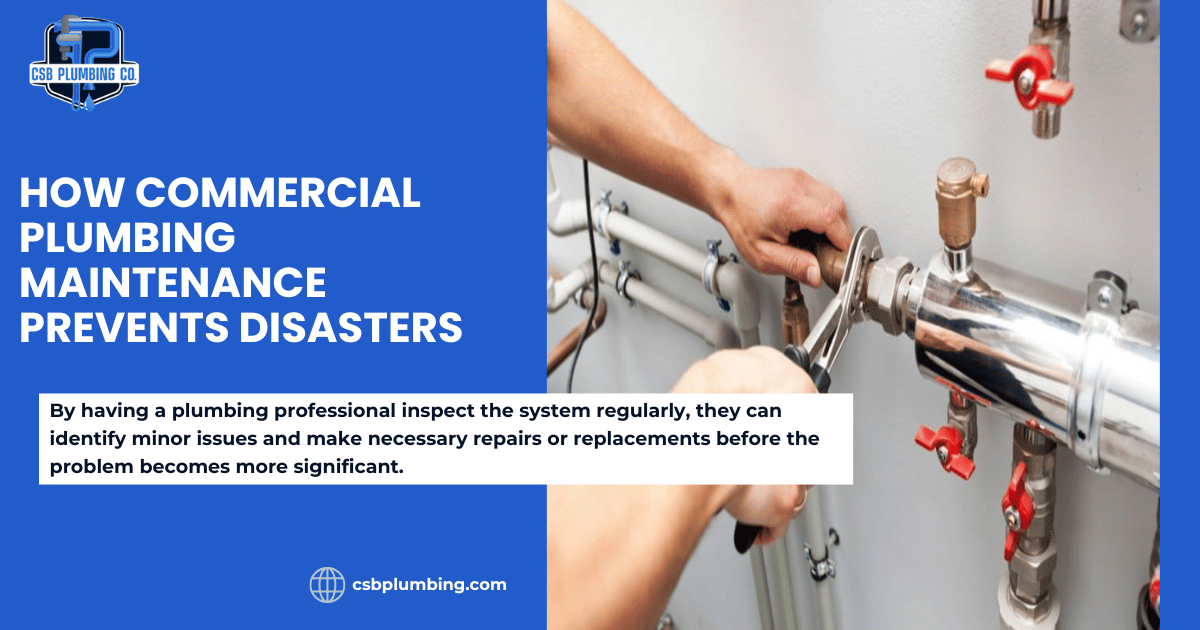
From regular inspections to water pressure monitoring, there are many preventive maintenance tasks that no commercial building owner in Lowell should ignore. While cursory checks on your own can be fruitful in catching obvious problems, it’s also a good idea to partner with a commercial plumber in Lowell to conduct periodic inspections and seasonal checks.
1. Scheduled Plumbing Inspections
Routine plumbing inspections provide the opportunity to catch small problems before they worsen into more damaging and costly ones. During these inspections, your commercial plumber in Lowell will be on the lookout for:
- Pipe integrity (corrosion or leaks)
- Drain lines (clogs or slow drains)
- Water heaters and boilers (sediment buildup)
- Backflow prevention devices (required by Lowell codes)
- Coordination with sprinkler and HVAC systems
Not only do regular inspections ensure your commercial plumbing system remains compliant with local regulations, it also ensures you’re up-to-date with insurance requirements.
2. Leak Detection and Pipe Monitoring
Silent leaks not only waste thousands of gallons of water per year, they can result in extensive structural damage or mold. According to the Environmental Protection Agency (EPA), a single leaky faucet dripping at a rate of one drip per second wastes more than 3,000 gallons per year. An experienced commercial plumber in Lowell, like CSB Plumbing, can rely on advanced diagnostic tools to identify silent leaks that may be lurking underground or within walls.
3. Water Pressure Management
High water pressure can be a coveted feature of any plumbing system but in actuality, that high pressure can be quite damaging to fixtures and pipes, and can even void warranties. It’s important for commercial buildings to have balanced pressure over multi-level systems, which means pressure-reducing valves (PRVs) should be included in your plan for plumbing maintenance in Lowell.
4. Seasonal Commercial Plumbing System Checks
Your commercial plumbing system must be able to stand up to Lowell’s brutal winters. That’s why cold-weather prep should not be ignored. Before the winter sets in, you should:
- Insulate exposed piping
- Test out sump pumps
- Drain unused systems
- Add proper antifreeze levels in traps
How to Address Common Commercial Plumbing Challenges in Lowell
From high occupancy to aging infrastructure, commercial buildings in Lowell face unique plumbing demands. On top of that, the kind of business you run can impact those demands as well. For example, the plumbing challenges of a multi-unit high rise office building will have different demands than a restaurant or coffee shop. Staying ahead of these issues takes a commitment to proactive solutions rather than reactive ones. Here’s a quick guide on how to maintain plumbing in commercial buildings in Lowell.
Commercial Grease Traps and FOG (Fats, Oils, Grease) Management
Compliance with strict grease trap requirements means restaurants and food service businesses must do what they can to avoid sewer blockages and city fines. If ignored, grease traps can clog, overflow, or emit foul odors. Restaurant owners should:
- Routinely clean and inspect grease traps and interceptors
- Install code-compliant FOG systems
- Train staff on proper disposal practices
- Coordinate with Lowell’s municipal waste standards
Restrooms and Fixtures
From schools to retail stores, high-traffic restrooms in commercial buildings are vulnerable to worn-out flush valves, leaking faucets, and clogged drains. In addition to scheduled maintenance of valves, sensors, and auto-flush systems, owners and managers should be using durable, commercial-grade fixtures designed for heavy use.
Water Pressure Balancing
In multi-tenant buildings, uneven water pressure across floors or units not only leads to frequent complaints but poor plumbing performance overall. This is a common occurrence especially in older Lowell buildings that have been retrofitted to accommodate multiple tenants.
Maintenance tasks will include:
- Zoning and balancing of water distribution systems
- Pressure regulator valve (PRV) installation and calibration
- Redesigning systems for consistent pressure at all usage points
Adherence to all of the above suggestions for plumbing maintenance in Lowell will help to prevent service disruptions, lower repair costs, and ensure more satisfied tenants.
Staying Ahead of Emergencies With a Commercial Plumber in Lowell
Catching and addressing plumbing issues early on is the best course of action to prevent more costly damage later.
Be On the Lookout For Early Warning Signs of a Plumbing Problem
It’s common to hear or smell plumbing issues before you see them. Be aware of:
- Unusual noises such as gurgling, banging, or whistling from pipes or fixtures. Trapped air or pressure issues could be to blame.
- Foul sewer odors are often due to venting problems or blocked drains.
- Slow-draining sinks or floor drains could point to a blockage deep within the system.
- Water spots or stains may arise from hidden leaks behind walls or above ceilings.
Take Action
Quick action is imperative when you notice something askew. In the event of a plumbing emergency:
- Shut off water to the affected area.
- Post warning signs or restrict access.
- Don’t attempt to fix the problem yourself.
- Take photos and notes of the damage for insurance purposes.
- Call a professional commercial plumber in Lowell to inspect and fix the issue.
When you have a commercial plumber in Lowell on speed dial for regular maintenance, you will be better able to jump into action when needed. You need someone local who is ready to respond when an issue arises, not only to mitigate the damage but to keep operations flowing smoothly.
FAQ’s
1. Why is regular plumbing maintenance important for commercial buildings in Lowell?
In our experience, regular plumbing maintenance is one of the best ways to prevent unexpected disruptions in your business. Routine inspections allow us to identify leaks, pressure issues, clogged drains, or worn components before they turn into expensive repairs, code violations, or operational shutdowns.
2. How often should commercial plumbing systems be inspected?
For most commercial properties in Lowell, we recommend professional plumbing inspections at least once or twice per year, depending on the type of business and the level of usage. Restaurants, multi-tenant buildings, and high-traffic facilities may benefit from more frequent inspections to keep systems running efficiently and up to code.
3. What are the most common plumbing problems in commercial buildings?
When we service commercial properties, the most common issues we see include hidden leaks, clogged drain lines, grease buildup in restaurant plumbing, uneven water pressure, and worn restroom fixtures. These problems often develop gradually, which is why regular inspections are so important.
4. Why is grease trap maintenance important for restaurants in Lowell?
For restaurants and food service businesses, grease trap maintenance is essential to prevent sewer blockages, foul odors, and costly city fines. We recommend routine cleaning and inspections to ensure grease traps and FOG (fats, oils, and grease) systems are working properly and meeting Lowell’s municipal requirements.
5. What should I do if there is a plumbing emergency in my commercial building?
If a plumbing emergency occurs, we recommend shutting off the water supply to the affected area, restricting access to prevent further damage, documenting the issue for insurance purposes, and calling a licensed commercial plumber immediately. Acting quickly helps minimize damage and keeps your business running smoothly.
Contact CSB Plumbing Co. for Your Commercial Plumbing Needs
The importance of proactive care can’t be ignored. To schedule regular commercial plumbing maintenance in Lowell, get in touch with us online or call us at (978) 690-7090 today. As a trusted Lowell plumber for local businesses, we’re here to keep your systems running smoothly.