

Plumbing problems in Lowell, MA wait for no one. They often come at the most inopportune times. And in older cities like Lowell MA, they bring unique challenges that test the mettle of even the handiest homeowners, landlords, and businesses. That’s why it’s important to understand the specific plumbing issues plaguing the city’s historic architecture and aging pipes marked by complex issues that affect both residential and commercial buildings.
- Rarely are plumbing problems in Lowell MA confined to a simple clogged drain.
- Even a small plumbing issue can turn into a big headache if not handled properly. That’s why having CSB Plumbing on speed dial can make all the difference, we know the city of Lowell inside and out.
- We bring localized experience in historic properties, knowledge of evolving city regulations, and insight into older plumbing materials that other plumbing companies just don’t have.
So whether you own a centuries-old Victorian home, manage a multi-unit rental, or operate a busy downtown business, it’s imperative to work with a professional who knows the ins and outs of Lowell MA plumbing issues. Local plumbing repairs don’t have to give you a splitting headache or cost you an arm and a leg!
In this article, we’ll discuss the most common plumbing challenges and workable solutions tailored for homeowners, landlords, and business owners in the area.
Living in history: Plumbing tips for historic homes in Lowell
Lowell MA has a rich history dating back centuries, and nowhere is this more evident than in its architecture. According to the National Register of Historic Places, The city is home to 14 historic districts as of 2025, with a total of 26 properties recognized for their unique historical, architectural, or cultural significance. While many homes date back to the early 19th and 18th centuries, some even date back to the 17th century.
As you can imagine, the plumbing systems contained within these homes are likely outdated. From old pipes to outdated lead-based systems, many plumbing problems originate from:
- Outdated pipe materials posing health and safety concerns (galvanized steel pipes, lead pipes, cast iron drain pipes)
- Low water pressure due to internal corrosion and buildup
- Leaky or cracked pipes from years of wear and tear, temperature swings, and settling foundations
- Outdated plumbing layouts built before establishment of modern plumbing standards
- Clogged or collapsing sewer lines due to tree roots, shifting soil, and pipe deterioration
- Non-compliant plumbing repairs resulting from years of DIY or outdated repairs
- Outdated fixtures and valves
- Inadequate water heaters that cannot keep up with modern demands
- Freezing pipes in crawlspaces, basements, or exterior walls due to Lowell’s harsh winter weather
- No main water shut-off valve or one located in difficult-to-access area

Quick fixes vs. when to call a pro for historic home plumbing issues
How do you know when you can get away with a quick DIY fix or if it’s time to rely on the expertise of CSB plumbing? It can be tempting to deal with home plumbing repairs yourself, especially when you’re in a time crunch or looking to save money. However, in the face of aging pipes, outdated materials, and historical quirks, the line between a quick fix and a major problem can get blurry really quick.
Here’s our guide you can refer to so you know when a DIY solution is safe and when a call to a licensed Lowell plumber
Plumbing problems in Lowell, MA multiply in multifamily homes, stay ahead with these tips
The most common plumbing problems you’ll encounter as the owner of a multifamily home originate from heavy water use across many tenants and floors. From clogged drains to low water pressure, keep an eye out for these issues:
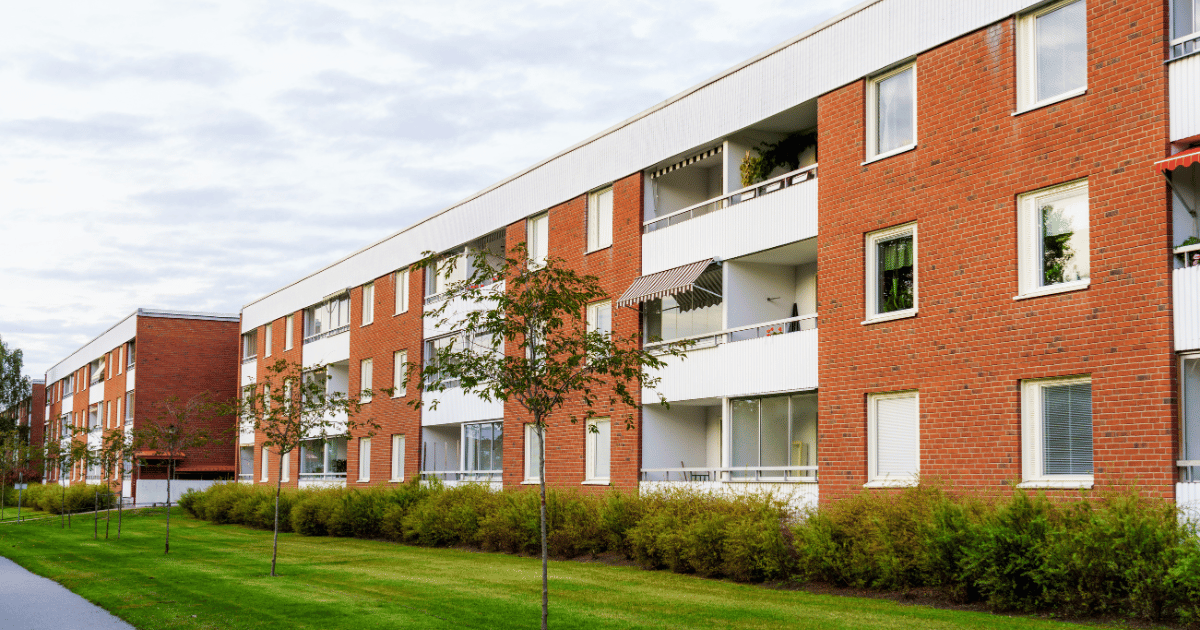
- Clogged drains and toilets due to multiple people using the plumbing system daily (i.e., blockages from hair, grease, wipes, or foreign objects)
- Low water pressure on upper floors due to aging or undersized plumbing systems
- Leaking fixtures and running toilets than can result in high water bills and wasted resources
- Pipe corrosion and aging infrastructure thanks to old galvanized or cast iron pipes
- Water heater strain or failure leading to frequent hot water outages or early system failure.
- Sewer line backups due to multiple units feeding into a single main line
- Cross-contamination or back-flow risks due to improperly-configured plumbing systems
- Inaccessible or non-functioning shut-off valves
Plumbing preventative maintenance tips for Lowell landlords
Staying on top of plumbing issues in multifamily properties is the best way to prevent pricey repairs, not to mention water damage and tenant complaints.
You can do this by:
- Scheduling annual plumbing inspections to identify hidden leaks, aging pipes, or corrosion.
- Flushing water heaters regularly to prevent sediment buildup.
- Installing drain strainers to reduce clogs from hair and debris.
- Educating tenants about what they should and shouldn’t throw down drains or toilets.
- Checking for slow leaks under sinks and around fixtures.
- Clearing labeling shut-off valves in every unit.
- Keeping a log of all plumbing issues and repairs for each unit.
As with any aspect of a home, preventive maintenance is key to preventing small plumbing problems from worsening.
Old mills, new plumbing: What to know about mill building plumbing renovations
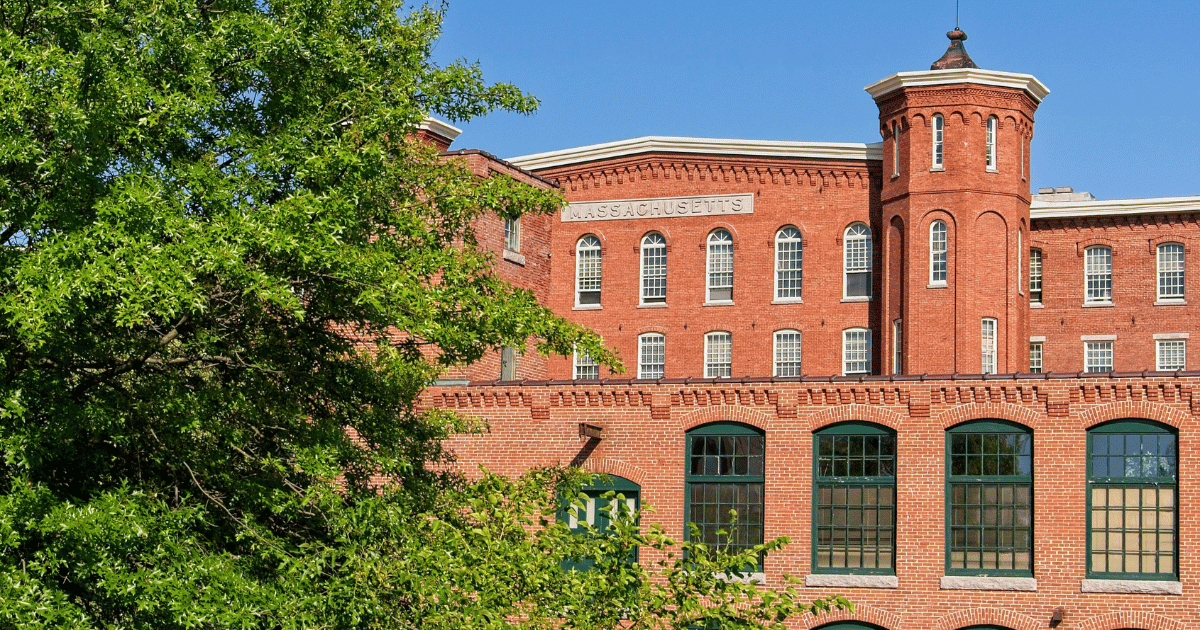
Lowell’s iconic mill buildings may be beautiful but they have unique layouts that can conceal anything from leaks to pressure imbalances. This isn’t something the average business owner can address. Often, specialized equipment or expertise are needed to fix these distinctive plumbing problems.
This attention to detail is even more important when converting 19th-century industrial spaces into modern apartments or businesses. Complex plumbing problems aren’t always visible to the naked eye, yet they must be addressed before occupants set up shop.
Here are some key considerations when integrating extensive plumbing upgrades designed to make these industrial buildings suitable for modern comfort:
- Outdated pipe materials (i.e., cast iron or galvanized steel) are at risk for corrosion and leaks
- Original plumbing layouts often can’t meet modern water demands or current building codes
- Low water pressure on upper floors often exists due to the height and age of mill buildings
- Thick masonry walls make it difficult and costly to install new pipes and access points
- Always work with plumbers experienced in mill conversions, as they know how to preserve historic features when upgrading infrastructure
Office plumbing essentials: Avoiding disruptions in the workplace
Restrooms, water heaters, and maintenance schedules pose commercial plumbing challenges that can lead to costly downtime during local plumbing repairs.
Thanks to the high volume of daily use by employees, visitors, and tenants, office buildings face unique plumbing demands, such as:
- Restroom plumbing: Multiple stalls, sinks, and fixtures result in frequent clogs, leaks, and wear-and-tear. To ensure hygiene standards and employee satisfaction, proper management of restroom plumbing is essential.
- Water heating system: Centralized water heaters strain during peak hours, leading to temperature fluctuations or outages. Regular maintenance and upgrades will prevent unexpected failures that can disrupt operations.
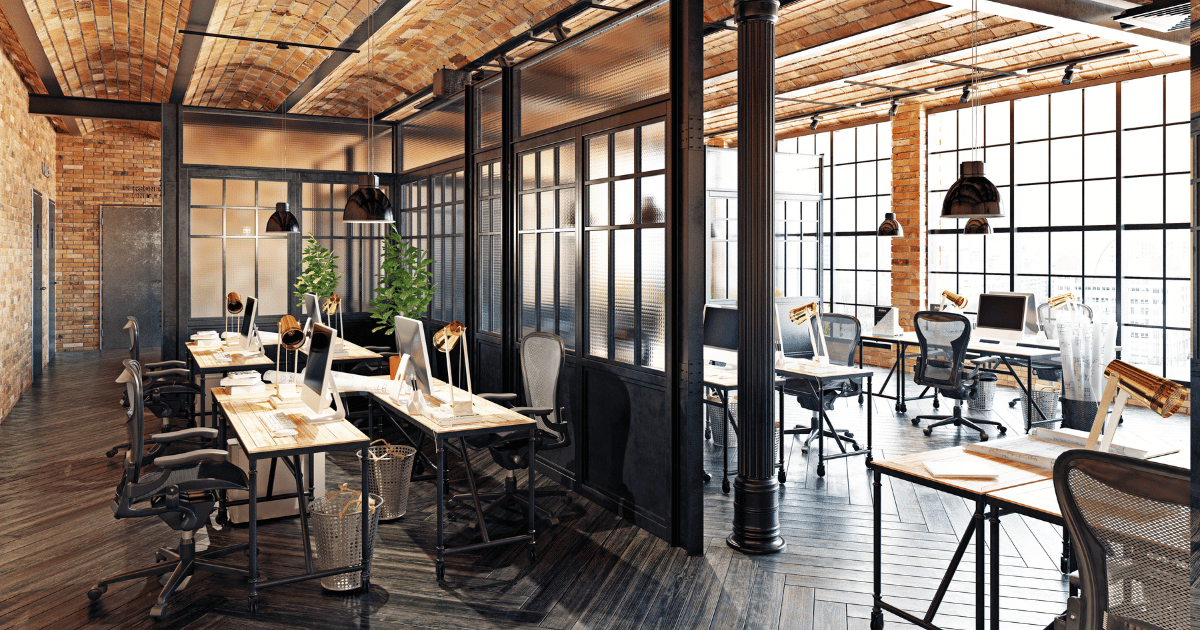
Following a preventative maintenance schedule can keep plumbing problems at bay. Be sure to conduct quarterly inspections of restrooms, schedule annual servicing of water heaters, keep detailed maintenance logs to track repairs, and install commercial-grade fixtures designed for high-traffic use.
Plumbing problems in Lowell, MA demand local solutions
From the historic mill conversions downtown to multifamily buildings in dense neighborhoods, there’s no substitute for local experience. Only a seasoned Lowell plumbing company, like CSB Plumbing, can address concerns posed by layers of prior repairs and aging infrastructure that are unique to densely built areas and older municipal connections. Pair that with the existence of corroded or outdated pipes and harsh New England winters, and you need a solution that requires local expertise.
So whether you own an office building downtown or a 19th-century Victorian in the Belvidere section, choose a Lowell-based plumber like CSB for faster response times and personalized service.
Common FAQ’s
1. What are the most common plumbing problems in Lowell, MA?
The most common plumbing problems in Lowell, MA include clogged drains, low water pressure, corroded pipes, sewer line backups, leaking fixtures, and aging water heaters. Many of these issues stem from the city’s older homes and buildings that still use outdated plumbing materials such as galvanized steel, cast iron, or lead pipes.
2. Why do older homes in Lowell have more plumbing issues?
Older homes in Lowell often have plumbing systems that were installed decades or even centuries ago. These systems may contain outdated pipe materials, deteriorating sewer lines, and layouts that were designed before modern plumbing standards. Over time, corrosion, mineral buildup, and shifting foundations can lead to leaks, low pressure, and pipe failures.
3. When should I call a professional plumber in Lowell, MA?
You should call a professional plumber in Lowell if you experience recurring clogs, slow drains, low water pressure, leaking pipes, sewer odors, or water heater issues. Professional plumbers are also recommended for plumbing inspections in historic homes, multifamily buildings, or during property renovations.
4. What plumbing issues are common in Lowell multifamily buildings?
Multifamily buildings in Lowell commonly experience clogged drains, water pressure issues on upper floors, sewer line backups, and heavy wear on water heaters due to high water usage. Regular inspections and preventative plumbing maintenance can help property owners avoid costly repairs and tenant disruptions.
5. How can I prevent plumbing problems in Lowell homes or rental properties?
Preventing plumbing problems starts with routine maintenance. Lowell homeowners and landlords should schedule annual plumbing inspections, flush water heaters to remove sediment, monitor for leaks, install drain strainers, and ensure shut-off valves are clearly labeled and accessible. Preventative care helps extend the life of older plumbing systems.
Get a free quote from CSB Plumbing Co.
For local plumbing repairs in Lowell, MA, and surrounding areas, schedule service today online or call us at (978) 690-7090. As local experts and trusted Lowell plumber we understand the unique plumbing systems of Lowell and can offer each project the attention to detail it deserves.