

Lowell is known for its historic brick mill buildings that once thrived as the hub of booming textile operations during the height of the Industrial Revolution. Powered by the roaring waters of the Merrimack River, these sprawling structures once formed the foundation of the country’s manufacturing economy.
Today, that era of history and function is in the rear-view mirror. However, while they may have old bones, these buildings now embrace a renewed purpose after being converted into modern apartments, offices, and mixed-use spaces. This effort to preserve their 19th-century architectural character doesn’t come without its challenges.
No matter how time-honored these buildings are, the plumbing in Lowell mill buildings leaves a lot to be desired. Thanks to the thick masonry walls, original pipe layouts, and aging infrastructure inherent in these buildings, plumbing tasks can pose a big challenge.
If you’re a property owner, facility manager, or developer working within these classic brick structures, it’s important to understand these unique plumbing challenges to ensure safety, efficiency, and functionality. Partnering with a local professional skilled in historic building plumbing retrofits is a wise move.
Outdated plumbing in Lowell mill buildings vs. modern expectations
Lowell’s converted mill buildings boast a charming original infrastructure, but below the floors and behind the walls, a different story is being told. Their plumbing systems were not built with modern demands in mind when they were created brick by brick in the 1820s and beyond. Construction on complexes such as the Boott Cotton Mills, for instance, began in the mid-1830s, initially harnessing water and steam and later electricity.
Inadequate original plumbing in converted mill buildings in Lowell
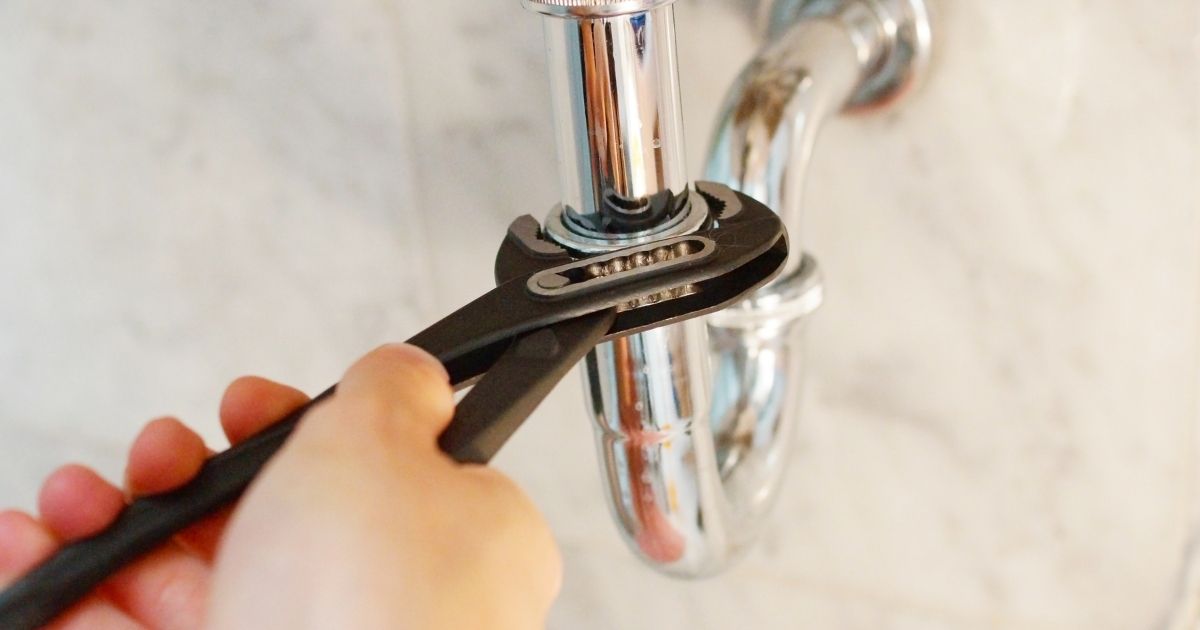
In the 19th and early 20th centuries, plumbing in Lowell mill buildings was designed solely for industrial manufacturing processes. They were not designed for residential apartments, high-usage bathrooms, retail stores, offices, or restaurants. Lacking the proper drainage slopes, venting, and zoning can pose a big challenge for historic building plumbing retrofits to meet current building codes and user expectations.
- Aging materials: Old pipes were typically made from cast iron, galvanized steel, and lead, which not only have shorter lifespans but create several maintenance issues. These issues range from corrosion and cracks to rusting and health risks. To comply with local codes and ensure safety, it’s necessary to replace these materials with modern alternatives such as PEX, copper, or PVC.
- Multi-tenant loads: Today’s mill building plumbing systems must support multi-unit residential complexes or mixed-use developments. Multiple tenants often require higher water usage, placing greater strain on water heaters and other fixtures. As a result, there’s a higher risk of backups, leaks, and pressure imbalances.

Common plumbing issues in converted mills
From inconsistent water pressure to frequent clogs, there are many issues common to plumbing in Lowell mill buildings, such as:
- Hidden leaks in walls, between floors, or under concrete slabs
- Low or inconsistent water pressure
- Poor drainage layouts
- Backflow risks
- Frequent clogs (old, narrow or corroded pipes)
In addition, there are several retrofitting and compliance challenges that are par for the course when tackling historic building plumbing retrofits. Not only do property developers have to comply with ADA regulations, but they often have limited access to infrastructure, posed by thick masonry walls or historical preservation rules.
In addition, they must adhere to fire suppression and backflow prevention requirements in multi-use spaces while ensuring the retrofit work complies with modern state and local plumbing codes.
The challenges of managing multi-tenant plumbing systems
The actual work of historic building plumbing retrofits must be approached with careful planning and respect for the tenants. Even after the work has been done, there are many challenges associated with managing multi-tenant plumbing systems within one large mill space.
- Shared main lines can lead to the risk of cross-contamination.
- The balance of pressure and flow between apartments or units can pose challenges for plumbing in Lowell mill buildings.
- Maintenance must be scheduled without causing disruption to tenants or businesses.
- Communication is key when explaining plumbing protocols to tenants, such as the importance of proper and regular grease disposal.
- Maintenance plans must be customized to mill buildings, keeping seasonal concerns and high-usage zones in mind.
- Regular inspections and hydro-jetting old pipes are imperative in keeping systems flowing smoothly.
- Leak detection technology and water-quality testing must be incorporated into older construction.
Working with a local Lowell plumber: Why it matters for converted Mills
Complex plumbing systems in Lowell’s converted mill buildings require a seasoned professional like CSB. We understand the unique challenges inherent in historic infrastructure like Lowell’s mill buildings and can save you time, money, and stress. We can:
Bring local knowledge for faster, smarter solutions:
From aging water mains to unpredictable layouts, we know what to expect before we even open up a wall. As a result, you enjoy faster diagnostics and fewer surprises during repairs or upgrades.
Handle all permits and meet regulations:
We understand Lowell’s permitting processes and building codes inside and out, especially regarding historic buildings and multi-use conversions. This creates a smoother road to project approvals, with fewer compliance issues and less downtime.
Hands-on experience:
Because we work so often with mill building retrofits, you can trust us to bring a focused insight into what’s behind the brick walls. From original drainage lines buried in concrete to rusted cast iron stacks, we know what it takes to plan an efficient retrofit. We make sure not only to upgrade the plumbing system to meet modern demands but also to preserve the structure’s charm and integrity.
FAQ’s
1. What plumbing challenges are common in Lowell’s converted mill buildings?
In our experience working in Lowell’s historic mill buildings, the most common plumbing issues include aging cast iron or galvanized pipes, hidden leaks, inconsistent water pressure, poor drainage layouts, and frequent clogs caused by older pipe systems. Because many of these buildings were originally designed for industrial use, the plumbing often needs significant upgrades to support modern residential or commercial demand.
2. Why do historic mill buildings require specialized plumbing upgrades?
Most Lowell mill buildings were constructed in the 1800s for manufacturing operations, not for modern apartments or offices. When we retrofit plumbing in these buildings, we often have to replace outdated materials, improve drainage and venting systems, and ensure the plumbing meets modern building codes while preserving the building’s historic structure.
3. What types of pipes are commonly found in older mill buildings?
When we inspect plumbing systems in converted mills, we often find cast iron, galvanized steel, or even lead piping. Over time, these materials can corrode, crack, or restrict water flow. During renovations or upgrades, we typically recommend replacing them with modern materials like PEX, copper, or PVC for improved safety and reliability.
4. Why is plumbing maintenance important for multi-tenant mill buildings?
Multi-tenant buildings place much higher demand on plumbing systems because multiple apartments, offices, or businesses share the same water supply and drainage lines. Regular inspections, leak detection, and maintenance help prevent backups, pressure imbalances, and costly water damage in these large shared systems.
5. Why should property owners work with a local plumber for mill building plumbing projects?
Because we work regularly with Lowell’s historic mill buildings, we understand the unique layouts, aging infrastructure, and local building codes that affect these properties. Our local experience allows us to diagnose issues faster, navigate permitting requirements, and design plumbing upgrades that meet modern standards while protecting the building’s historic character.
Get a free quote from CSB Plumbing Co.
If you’re planning a mill building conversion, don’t neglect the importance of proactive care when it comes to the plumbing system. Protect your investment with regular inspections and maintenance to determine whether your mixed-use space plumbing system meets modern demands. Book your appointment and free quote online or call us at (978) 690-7090 today to get expert help from a trusted Lowell plumber for plumbing in Lowell mill buildings.