
When temperatures drop in Lowell, frozen pipes can quickly turn into burst pipe emergencies. Every winter, homeowners across Middlesex County deal with cracked water lines, ceiling leaks, and costly water damage caused by frozen plumbing.
The last thing you want to do is wake up on a frigid winter morning to a burst pipe. However, there’s no denying that freezing temperatures and aging plumbing systems can be a dangerous combination. Burst pipes often happen with no warning, leaving you with water damage and costly repair bills – not to mention a major headache from the inconvenience and stress.
In this guide, we’ll explain how to prevent frozen pipes and what to do if you need frozen pipe repair in Lowell, MA.
While Lowell’s harsh winters can pose a risk to pipes, the good news is that with a little preparation and maintenance, you can protect your home throughout the winter season and beyond. Plus, it never hurts to have a Lowell plumber in your corner if the worst does happen.
Frozen pipes: A serious threat to Lowell homeowners
The coldest month of the year in Lowell is January, with average daily temperatures ranging from a high of 35°F to a low of 19°F. February is not much better, with a mean daily temperature of 29°F. When temps plummet, the risk of burst pipes rises – especially if you have an older home, your pipes are uninsulated, or they are located in unheated or poorly insulated areas such as basements, attics, or garages. Many older homes in Belvidere and Centralville have exposed basement piping that is especially vulnerable during sub-20°F cold snaps.

Temperatures below 20°F can cause water in your pipes to freeze; as it freezes, it expands. That pressure can make your pipes crack or burst, sending gallons of water into your home in mere minutes once the ice thaws.
There are many common causes of burst pipes, especially within older homes that Lowell is known for:
- Insufficient insulation around plumbing lines
- Exposed pipes in unheated areas or in exterior walls
- Gaps or drafts in basements, crawlspaces, and foundations
- Lack of winterization to outdoor spigots and hose bibs
Addressing these issues can help to prevent frozen pipes, saving you time, money, and hassle.
Taking winter precautions
Ideally, before the cold of winter really sets in, you want to take steps to ensure your pipes can withstand freezing temperatures. Hire a local licensed plumber to:
- Inspect and insulate vulnerable pipes
- Service your heating/plumbing system (i.e., flushing the water heater, etc.)
Steps you can take on your own as a homeowner include:
- Adjusting thermostats and maintaining a minimum indoor temperature
- Turning on faucets for a slow drip in extreme cold
- Monitor weather forecasts and prepare in advance
- Keep garage doors closed if you have plumbing in there
- Open cabinet doors to allow warm air to circulate
- Turn off outdoor faucets and drain garden hoses
Your pipes are frozen: Now what?
From reduced or no flow to frost on pipes, keep an eye out for signs that your pipes have frozen. If this still happens despite your best efforts, check out these tips.
First, here’s a look at what you shouldn’t do:
DON’T:
- Use an open flame to try to thaw a frozen pipe. Blowtorches, propane heaters, and lighters are all fire risks and, at the very least, can damage the pipe.
- Apply intense or uneven heat too quickly, as the pipe could crack or burst.
- Ignore a frozen pipe. You may be tempted to let it thaw on its own, but delays could cause the pipe to burst once the ice expands and thaws.
Now, here’s a look at some safe ways to thaw a frozen pipe – before it bursts:
DO:
- Use a hair dryer: Start near the faucet and gradually work toward the area of concern.
- Place a heat lamp or space heater near the frozen area but not directly touching.
- Soak some towels in warm water, then wrap them around the pipe.
- Open cabinet doors so warm air can reach under-sink pipes.
- Leave the affected faucet on during the thawing process so melting ice has a way to escape.
Your pipes have burst: Now what?
If you’re faced with the worst-case scenario and your pipes have burst, jump into action right away.
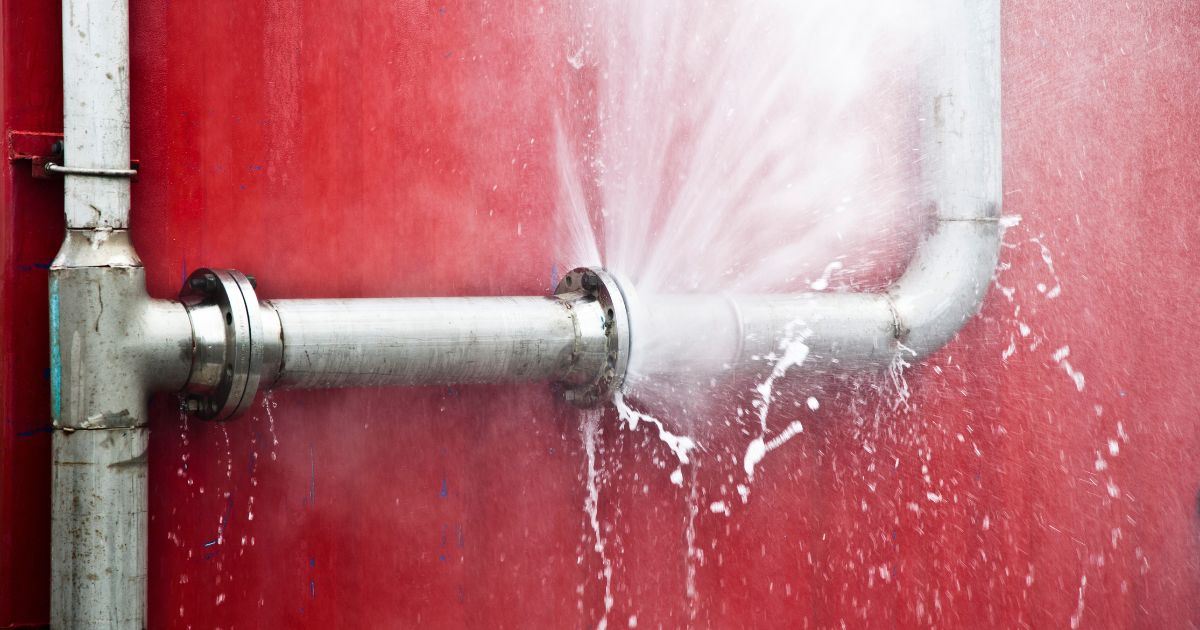
- Shut off the main water supply.
- Turn off electricity to affected areas (outlets, appliances, fuse boxes).
- Call a Lowell plumber to book emergency repair.
- Clean up the area with towels, a wet/dry vacuum, or fans to prevent water damage and mold.
- Take photos of the damage to aid in insurance claims.
Sometimes you either don’t know where the frozen pipe is or you can’t reach it. In either case, don’t waste time. Call a licensed plumber so they can safely locate and address the pipe in question.
Long-term strategies and upgrades
Look ahead to the future, there are a few things you can do now to prevent frozen pipes from happening next time.
- Replace old, brittle pipes with newer materials such as PEX and flexible piping.
- Install smart leak detectors and automatic shutoff valves.
- Upgrade insulation or schedule a home energy audit.
- Sign up for regular plumbing maintenance plans with CSB Plumbing.
Why hire a local plumber for a winter plumbing inspection? (It’s not too late!)
Of course, it’s always best to prevent frozen pipes before they happen. That’s why it’s important to schedule a pre-winter plumbing inspection with CSB Plumbing. But even if you are just getting around to this, it’s OK: it’s never too late to be proactive. During this inspection, you can expect us to identify vulnerable areas such as:
- Uninsulated pipes
- Un-winterized outdoor hose bibs or shutoff valves
- Hidden drafts or cold spots near water lines
- Aging or corroded piping
- Water heaters or sump pumps that need maintenance
Perhaps the biggest benefit is the peace of mind these inspections provide, making sure your plumbing system is operating efficiently overall. This not only reduces your energy usage, but it also prevents mid-winter breakdowns.
FAQ’s
1. At what temperature do pipes typically freeze in Lowell, MA?
In our experience, pipes in Lowell homes can start to freeze when temperatures drop below 20°F, especially if they’re located in unheated areas like basements, attics, garages, or exterior walls. We often see this happen in older homes with exposed or poorly insulated piping during extended cold snaps.
2. How can I prevent pipes from freezing during winter?
We recommend several simple steps to help prevent frozen pipes. Insulating exposed pipes, keeping your thermostat set to a consistent temperature, letting faucets drip during extreme cold, opening cabinet doors to allow warm air to circulate, and disconnecting outdoor hoses can all make a big difference. We also recommend scheduling a winter plumbing inspection so we can identify vulnerable pipes before freezing temperatures arrive.
3. What are the signs that my pipes may be frozen?
When we get calls about frozen pipes, homeowners often report little or no water flow from faucets, frost on exposed pipes, unusual smells from drains, or visible bulging in the pipe. If you notice any of these warning signs, it’s important to act quickly so the pipe doesn’t crack or burst.
4. What should I do if a pipe freezes in my home?
If you suspect a frozen pipe, we recommend turning on the faucet connected to the pipe and applying gentle heat using a hair dryer, warm towels, or a nearby space heater. Never use an open flame. If you can’t locate the frozen section or the pipe won’t thaw, that’s when it’s best to call us so we can safely resolve the issue.
5. What should I do if a pipe bursts in my Lowell home?
If a pipe bursts, the first thing we always advise is to shut off the main water supply immediately to stop further flooding. Then turn off electricity near the affected area and call a licensed plumber right away. Our team can respond quickly to repair the damaged pipe and help minimize water damage to your home.
When to Call CSB Plumbing for Frozen Pipe Repair in Lowell
Whether you need a mid-winter inspection or are facing a burst pipe emergency, we are here for you with fast, reliable emergency plumbing repairs throughout the season.
Here are six situations in which you want to call for an emergency plumbing repair in the Lowell area:
- No water flow
- Visible pipe cracks
- Water stains
- Multiple frozen lines
- You can’t access the pipe
- Pipe has burst
If you’re facing frozen or burst pipes this winter, don’t wait for water damage to spread. CSB Plumbing provides fast frozen pipe repair in Lowell and throughout Middlesex County.
Call 978-690-7090 for emergency winter plumbing service.